
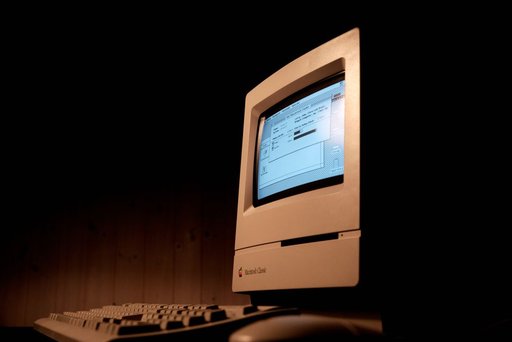
According to the site’s description, 56k.rip offers a browser‑based simulation of the 1996 dial‑up internet experience. Users begin at a virtual desktop, open Dial‑Up Networking, and go through the full ritual: the off‑hook click, the touch‑tone dialing, about twenty seconds of modem handshake, and then a home page that appears one block of text at a time.
The connection is not faked but simulated. Visitors can choose a link speed of 14.4, 28.8 or 56 kilobits per second, and the same page really does take longer to load on the slower setting because each page is delivered against a byte budget that matches the selected rate. As a result, photographs sharpen line by line while the user waits, and file downloads crawl and mostly fail.
The simulation also models the household interference common in the era: if someone else in the house picks up the telephone extension, the call drops and the connection is lost. Behind the modem, the project provides a small collection of period‑appropriate content to explore, including a fishing page, a recipe page, a guest book, a webring, classifieds, missed connections, a weather report, a television grid, and an article explaining what the internet is.
Additional features noted by the site include a mail client, a chat lobby, a minesweeping game, a card game, a paint program, a command prompt, and a set of screen savers. Nearly every sound heard during the session is synthesized in the browser from a written score, except for the modem handshake, which is a recording of an actual modem and is credited in full at /credits.html.
All pictures are drawn procedurally and then reduced to the 216‑color web‑safe palette that was typical of mid‑1990s web design. The experience requires no account and stores nothing beyond the user’s own browser. The page depends on JavaScript to run, and the instructions advise turning the script on and reloading with the sound enabled to hear the full audio simulation.