
The Ox64 has emerged as an exceptionally affordable entry point to RISC-V computing. According to the blog post, the board costs just $8 and includes three RISC-V cores of different types, positioning it as a capable single-board computer despite its microcontroller-like appearance.
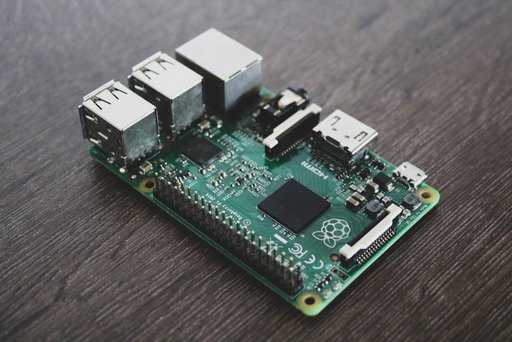
However, the device comes with significant caveats. At the time of writing, ethernet, Wi-Fi, and SD card functionality were not operational. More critically, the setup process involves a steep learning curve and multiple technical obstacles.
Unlike mainstream microcontrollers such as Arduino or ESP32, the Ox64 cannot be programmed via USB. Instead, it requires programming through UART TX/RX pins connected to GPIO14 and GPIO15. This alone represents a fundamental departure from standard development workflows.
The flashing process itself presents additional complications. The official Dev Cube flashing tool crashes immediately when launched on Ubuntu running Wayland; users must switch to Xorg to proceed. Even with Xorg, the tool fails to establish proper handshakes with standard CH340G serial dongles.
To work around these limitations, some developers discovered the Ox64 can be flashed using an RP2040 device, such as the Raspberry Pi Pico, as a serial bridge. This requires connecting GPIO pins between the two boards and loading the RP2040 with picoprobe firmware.
Even with this workaround, additional complications emerged. Dev Cube still could not successfully flash the device, necessitating the use of an alternative tool, bflb-mcu-tool. However, that tool also required manual modification—specifically removing DTR and RTS handling from the tool’s source code—before it would function.
Once these obstacles were overcome, the author successfully established basic communication between the Ox64 and a PC, receiving output confirming that the board’s E907 processor and memory initialization were functioning. However, the journey to running a full Linux operating system remained incomplete at the time of writing, as additional firmware flashing steps were required for other processor cores and the operating system itself.
The experience underscores the tension between the Ox64’s remarkable price point and its developer-hostile setup process. While the hardware appears genuinely capable, prospective users should expect to invest significant time and technical expertise before achieving basic functionality.
Key facts
- The Ox64 costs $8 and includes three RISC-V cores
- Programming requires UART connections rather than USB
- Ethernet, Wi-Fi, and SD card functionality were not working at time of writing
- The official Dev Cube flashing tool crashes on Ubuntu Wayland and requires switching to Xorg
- The Ox64 can be flashed using an RP2040 device as a serial bridge with modified bflb-mcu-tool software