
The current surge in artificial intelligence investment and deployment is prompting comparisons to historical market manias, according to an analysis by Sean Helvey. Drawing parallels to Michael Pollan’s work on how tulips and humans shaped each other evolutionarily, Helvey frames AI as following a similar pattern: “From bulbs, to coins, and now tokens,” suggesting a progression from tulip mania through cryptocurrency to current AI investment.
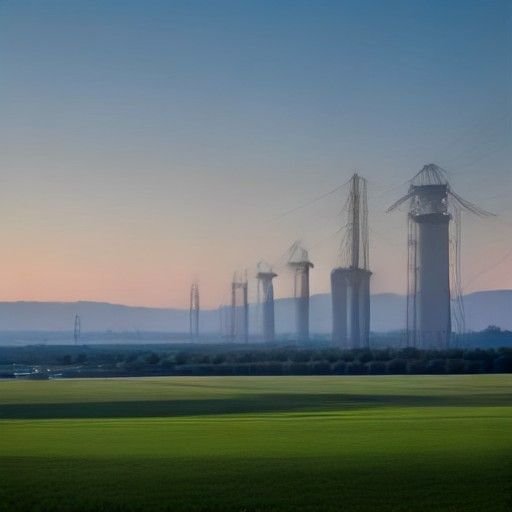
The piece raises questions about agency in this dynamic. Helvey notes that “AI, like the apple and corn plants, is gleefully spreading its seed while we prompt for another sweet hit of dopamine,” suggesting humans may be serving AI’s expansion rather than the reverse. This inversion of expected relationships mirrors observations about historical technologies: a farmer who bought a tractor may end up working for the bank, the equipment manufacturer, or the seed company rather than himself.
A key concern highlighted is opacity within the AI industry. Despite widespread use of AI systems built on human-created content, companies withhold information about energy consumption per query, water use for cooling, and land ownership at data center sites. Anecdotal evidence suggests inefficiency: agents searching the web 5-10 times because models are outdated, contradicting claims of efficiency gains.
The environmental and infrastructure implications are substantial. New electrical transmission infrastructure takes four to eight years to build, and transformers are back-ordered. This demand appears on energy bills and as audible impact on neighbors. Meanwhile, fear of losing technological competition to China overrides local objections to new data center sites, a dynamic Helvey compares to how the military-industrial complex has historically operated.
Helvey proposes an alternative framing: treating compute as a public utility with local ownership stakes, similar to agrivoltaic projects that combine food production and solar generation on the same land. This approach would mean “technology serving a place instead of extracting from it.”
The analysis suggests this cycle may not persist indefinitely. Shifts from “AI mania to panic” could emerge through market forces, security breaches, or legislation. When such shifts occur, conventions established during euphoria may endure: open-source weights, locally-runnable models, plain language interfaces, and communities empowered to decline participation.
Key facts
- AI investment follows historical patterns of market mania similar to tulip bulbs and cryptocurrency
- The AI industry exhibits significant opacity regarding energy consumption, water use, and land ownership at data centers
- New electrical transmission infrastructure has 4-8 year build times, creating bottlenecks for expanding AI compute capacity
- Proposed alternative models treat AI compute as public utilities with local community ownership stakes
- Environmental and infrastructure costs of AI expansion are not being accounted for at policy or market levels