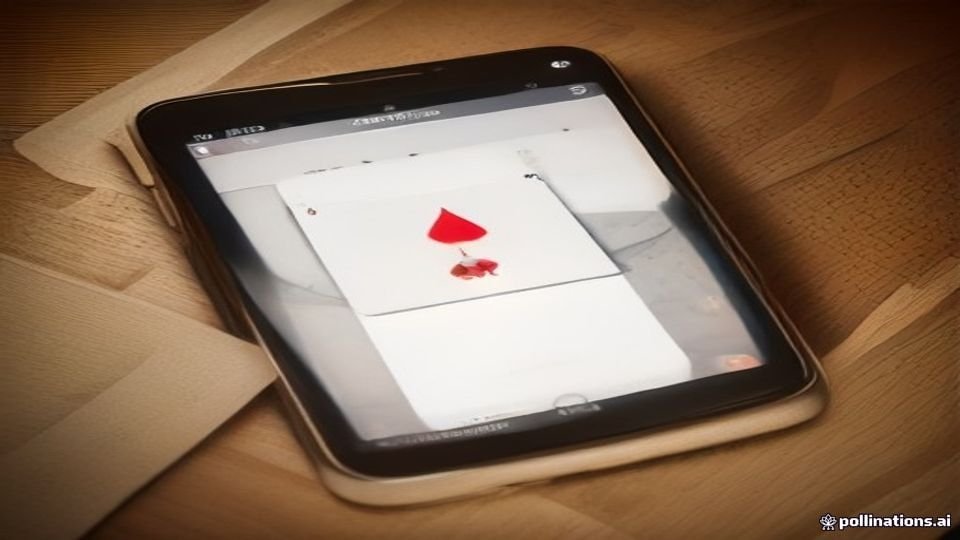
In October 2011, Apple released the Cards app, a feature that let users design custom letterpress cards with photos and messages that Apple would print and ship on their behalf. According to the origin story shared by a former print program manager at Apple’s production partner, the app was directly inspired by Steve Jobs.
Jobs conceived the idea during a walk after dinner, according to the source. “Steve Jobs was on one of his famous walks after having had a dinner with someone,” the program manager, identified as Mike in the article, recounted. Jobs reportedly said to his walking companions: “Wouldn’t it be great if I could just right now on my iPhone send [the dinner companion] a thank you card?” Apple decided to build an iPhone app for this purpose, and the project moved quickly given Jobs’ involvement. Notably, the app was built and launched during the final year of Steve’s life—he died on October 5, 2011, one day after the Cards app was announced on October 4.
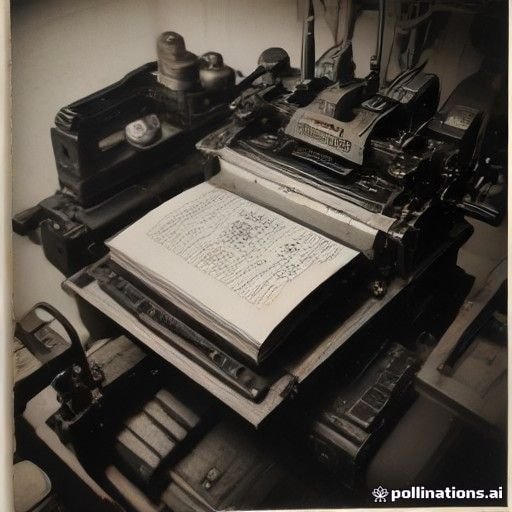
The Cards project, codenamed “Speed Racer,” proved technically and logistically complex. The app used cotton Crane stock with heavily debossed letterpress printing—a process requiring three passes through production: a pre-treatment coating, the letterpress shell design, and finally a digital imprint of the user’s photo. Getting ink to adhere to the cotton proved “painful,” according to Mike.
Apple’s requirements created unprecedented challenges for the US Postal Service and printing partners. Apple refused to allow visible barcodes on envelopes but demanded complete tracking throughout shipping and delivery. To solve this, Apple and the printing company developed an invisible barcode sprayed on envelopes, visible only under UV light. The USPS agreed to scan cards at multiple points: when sent, when processed at mail facilities, and when loaded on mail trucks.
Apple also worked with the USPS on a custom, Apple-designed stamp—a heart—that all Cards bore. This marked something Mike believes had never been done before. The Czech Post, handling European distribution, did not permit Apple to design its own stamp.
Despite preparations for massive launch-day volume, actual demand proved minimal. Mike noted that Apple’s demand forecasting was historically inaccurate. On launch day, he said, “The global demand for Cards could fit in a shoebox.” Postal trucks stood ready at both the Czech Post and USPS, but initial orders were far below projections. Demand grew gradually over time but never reached significant levels.
Key facts
- Steve Jobs conceived the Cards app idea during a walk after dinner, wanting to send thank-you cards from his iPhone
- The app launched October 4, 2011, and Jobs died October 5, 2011
- The project was codenamed ‘Speed Racer’ and required printing cards on 100 percent cotton Crane stock with heavily debossed letterpress
- Apple created an invisible barcode sprayed on envelopes, viewable only under UV light, to track cards without visible barcodes on envelopes
- Apple designed a custom heart-shaped stamp for US Cards in partnership with the USPS
- Launch-day demand was minimal—orders fit in a shoebox—despite extensive preparation and forecasting for hundreds of thousands of cards
- The printing process required three passes: pre-treatment coating, letterpress shell design, and digital photo imprint