In 2011, Apple released Cards, an iOS app that let users design custom letterpress cards with photos and messages, which Apple would print and mail on their behalf. The app required iOS 5 and represented a Steve Jobs–initiated product that became one of the most complicated printing logistics projects ever attempted by the company.
According to an insider who managed the print program for Apple’s production partner, the Cards project—codenamed “Speed Racer”—originated from a Steve Jobs dinner conversation. Jobs reportedly said to his walking companions: “Wouldn’t it be great if I could just right now on my iPhone send [the dinner companion] a thank you card?” Apple moved quickly to build the app, which launched in October 2011 during the final year of Jobs’s life.
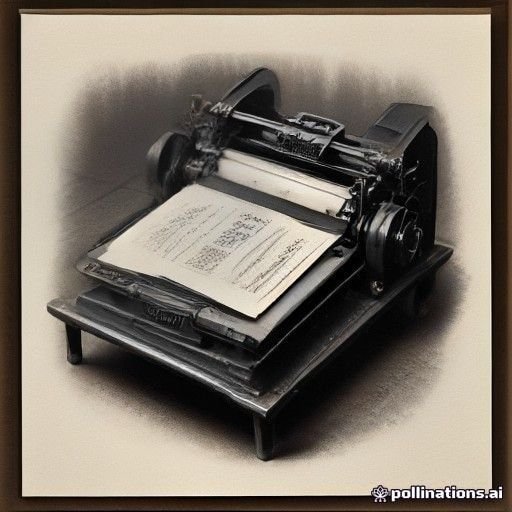
The technical challenges were immense. The cards were printed on 100 percent cotton paper using restored 1850s Heidelberg Letterpresses from a shop in upstate New York. The printing process involved three passes: a pre-treatment coating, a letterpress shell design, and a digital imprint of the user’s photo. Getting ink to adhere to the cotton Crane stock proved extremely difficult, according to the insider.
Apple’s requirements made the logistics uniquely complex. The company refused to allow visible barcodes on envelopes but demanded complete tracking of every card. Apple and the printing company created an invisible barcode sprayed on envelopes, visible only under UV light, which the US Postal Service agreed to scan at multiple points in the delivery process. Apple also worked with the USPS on a custom stamp design—a heart—that all Cards bore, something the insider believes had never been done before.
The Czech Post and US Postal Service stationed trucks on-site for launch day, expecting hundreds of thousands of orders. Instead, the insider recalled: “The global demand for Cards could fit in a shoebox.” Demand grew gradually over time but never reached the volumes Apple had forecasted.
The project involved international coordination, with the printing company establishing operations in the Czech Republic and Japan to handle peak seasonal volume. Teams worked intensely before launch, with some staff sleeping in conference rooms. Apple flew in engineers from China to manage equipment setup.
Cards was announced on October 4, 2011. Steve Jobs died on October 5. The app was eventually sunset, and those involved remain cautious about discussing the project, despite the passage of 15 years.
Key facts
- Apple Cards launched in October 2011, requiring iOS 5, and let users design custom letterpress cards for printing and mailing
- The project was codenamed ‘Speed Racer’ and originated from a Steve Jobs idea discussed during a dinner
- Cards used 100 percent cotton paper and required three-pass printing to make ink adhere to the stock
- Apple created invisible UV-visible barcodes on envelopes to track delivery without visible markings, coordinating with the US Postal Service
- Apple designed a custom heart-shaped stamp for Cards in the US, believed to be unprecedented
- Launch day demand was minimal despite Apple’s massive forecasting; the insider said demand ‘could fit in a shoebox’
- The printing company established operations in the Czech Republic and Japan to handle international orders and seasonal volume peaks