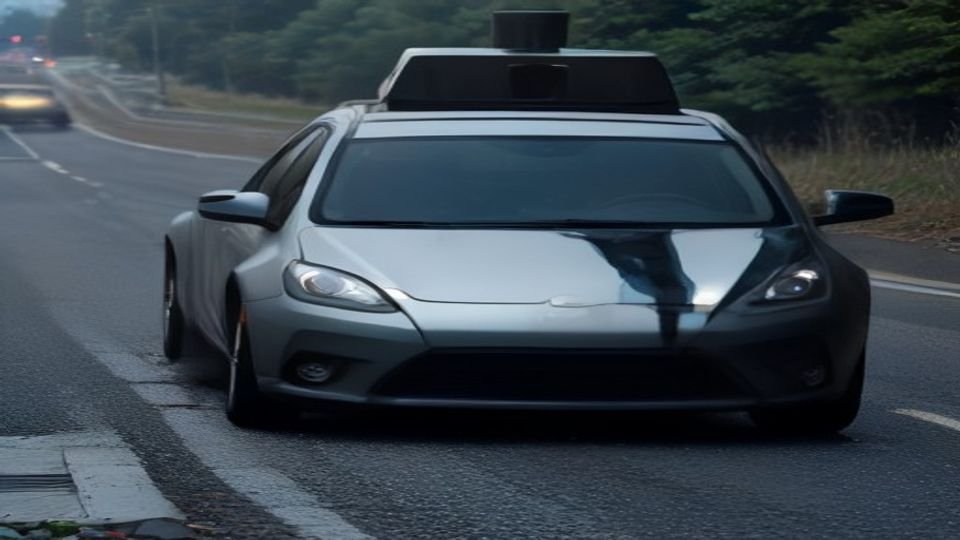
Mounting research indicates that autonomous vehicles crash significantly less often than human drivers, with substantially fewer injuries, according to an IEEE Spectrum article examining recent safety data.

Advanced driver assistance systems (ADAS) already deployed on millions of cars show measurable safety gains. The Insurance Institute for Highway Safety found that automatic emergency braking (AEB) systems cut pedestrian crashes by 27 percent. The same institute found automated braking reduced rear-end crashes by 50 percent and associated injuries by 56 percent. When multiple ADAS features are combined—including automatic pedestrian braking, adaptive cruise control, and lane-departure warnings—insurance claims dropped up to 39 percent.
For fully autonomous vehicles, Waymo reports its robotaxis have completed 20 million paid rides over 220 million miles. An independent study showed Waymo’s robotaxis experienced 92 percent fewer fatal or serious-injury crashes compared to human drivers in similar city environments. The study found 92 percent fewer pedestrian injuries, 83 percent fewer crashes with airbag deployments, and 82 percent fewer crashes with any injuries. At intersections—among the deadliest driving environments—injury-causing crashes dropped 96 percent.
The Insurance Institute for Highway Safety’s July study directly compared crash rates in San Francisco, Phoenix, Los Angeles, and Austin. Waymo taxis were involved in 68 percent fewer crashes overall than human drivers: 76 percent lower in Phoenix, 71 percent in LA, and 35 percent in San Francisco. Waymo’s injury crashes were 81 percent lower on a per-mile basis.
However, researchers note limitations in current comparisons. Waymo’s robotaxis operate only in fair-weather conditions in select U.S. cities, whereas human drivers navigate varied roads and weather. Additionally, roughly half of human crashes go unreported, potentially skewing safety statistics. The IIHS is calling for better federal reporting standards to enable more reliable comparisons as autonomous vehicle deployment expands.
In related developments, the National Highway Traffic Safety Administration granted Amazon’s Zoox subsidiary the first exemption from certain motor-vehicle safety standards, allowing commercial operation of its purpose-built robotaxis without steering wheels or pedals. NHTSA also announced a partnership with SAE to develop the nation’s first performance and competency standards for autonomous vehicles through a $5 million, three-year initiative.
Key facts
- Automatic emergency braking systems cut pedestrian crashes by 27 percent and rear-end crashes by 50 percent
- Waymo robotaxis showed 92 percent fewer fatal or serious-injury crashes than human drivers in comparable city environments
- Insurance claims for vehicles with combined ADAS features dropped up to 39 percent
- Approximately 40,000 people die annually in U.S. roadway accidents, with 1.16 million dying globally each year
- Waymo’s robotaxis completed 20 million paid rides over 220 million miles