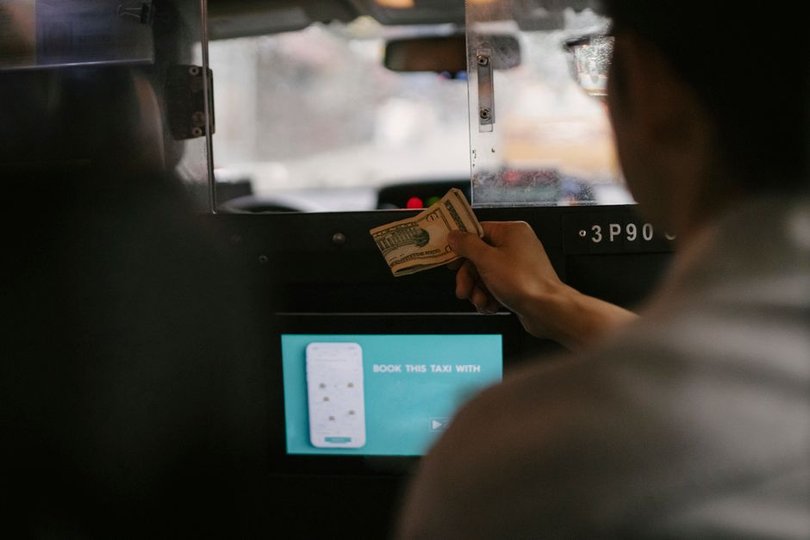
A passenger in Aberdeen has raised concerns about bus operators imposing higher fares on those who don’t use smartphone apps, highlighting what they describe as a digital equity issue in public transport.

According to a letter published in The Guardian, the passenger compared pricing for First bus passes in their area. The weekly pass, available for purchase directly on the bus, costs significantly more than the monthly pass, which is exclusively available through First’s mobile app. Over the course of a year, this price difference amounts to £264 in additional costs for the passenger.
The letter writer uses a non-standard operating system on their phone to avoid what they describe as the “always-online models of Android and iOS.” This choice means they cannot access the cheaper app-based pricing, forcing them to pay premium rates for in-person or cash purchases.
The passenger argues this pricing structure is problematic on multiple grounds. First, they contend that accessible public transport should not depend on which computer software a passenger uses. Second, they note the issue is particularly acute given current cost-of-living pressures affecting many households.
The complaint comes in response to earlier coverage about schoolchildren without smartphones facing higher bus fares, which raised broader questions about technology access and affordability in public services. In Scotland, the issue is partially addressed through a different model: bus travel for children and young people under 22 is made free entirely, accessed via a physical national entitlement card rather than a digital app.
The letter writer notes that First is not alone in this practice. They point out that many supermarket loyalty schemes have similarly moved exclusively to app-based models, creating barriers for those unable or unwilling to use smartphones.
The issue reflects a broader tension in modern service provision between digitalization and accessibility, where cost savings from app-based systems are not universally shared, and some consumers face penalties for preferring or needing alternative payment methods.
Key facts
- A First bus passenger in Aberdeen pays £264 more annually for weekly passes purchased on buses compared to monthly passes available only via app
- The passenger uses a non-standard phone operating system to avoid Android and iOS, making them unable to access app-exclusive pricing
- Scotland addresses youth bus fares through free travel for under-22s with physical national entitlement cards, rather than app-dependent systems
- Other businesses including supermarket loyalty schemes have moved exclusively to app-based models, creating similar barriers