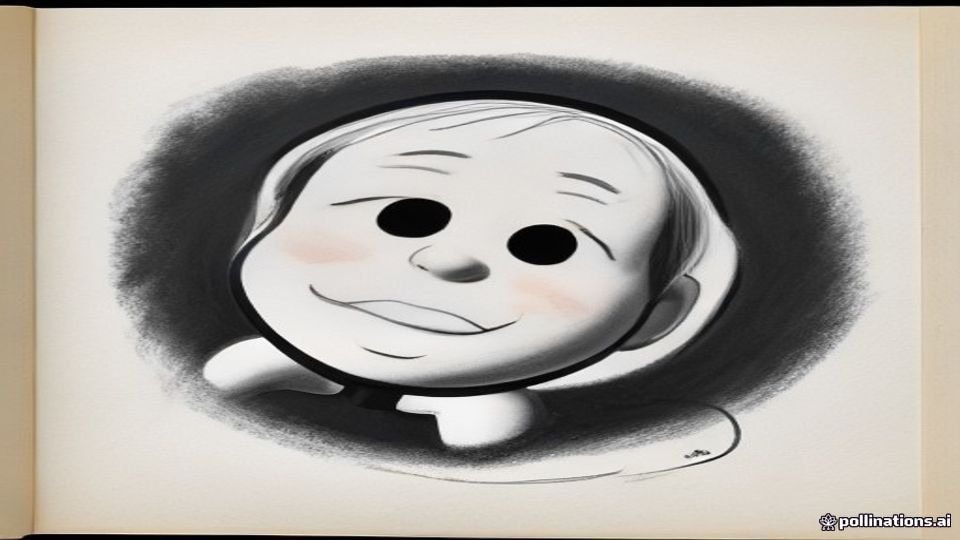
ChatGPT has been generating cartoons in the style of The New Yorker and signing them with the real pen names of established cartoonists, raising concerns about attribution, copyright, and labor in creative industries.
The issue came to light when a Dolly Parton fan posted a ChatGPT-generated cartoon to Facebook depicting the late entertainer and Tim Curry at heaven’s gates. The cartoon was signed with the pen name “BLOPER,” belonging to New Yorker cartoonist Brendan Loper, who did not create or authorize the image. According to Nieman Lab, the post went viral, receiving 25,000 likes on Twitter and circulating across Facebook, Instagram, and Bluesky. Loper reported receiving messages from strangers asking if the cartoon was his work, calling the experience “very surreal.”
This wasn’t an isolated incident. The reporter documented over 15 New Yorker cartoonists whose signatures have been reproduced by ChatGPT without permission or compensation, including Harry Bliss, Emily Flake, Joe Dator, Pat Byrnes, Peter Vey, Jason Adam Katzenstein, George Booth, Liza Donnelly, Ellis Rosen, and Saul Steinberg. In tests, ChatGPT continued to generate cartoons with signatures of real contributors even after being notified of the issue.
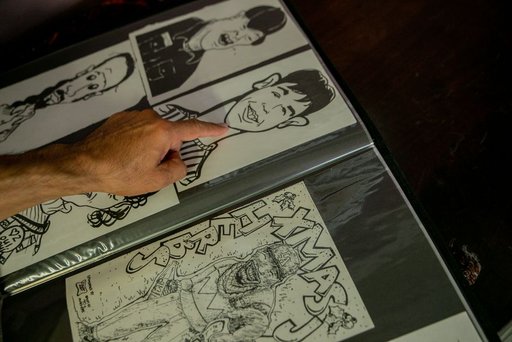
Cartoonists emphasized that their signatures serve as more than bylines. Loper explained that in an era where images are stripped from original context and shared without proper licensing, signatures act as watermarks and certificates of authenticity. “The signature for me is the certificate of authenticity,” he said. “If I put my name on it, it’s official, it’s mine. It really is a brand.”
Emily Flake, a New Yorker contributor since 2008, noted that while the AI-generated cartoons contained echoes of her visual style, they appeared to be amalgamations of multiple cartoonists’ work. “It’s like somebody attributed a quote to me that I didn’t say,” she said.
Condé Nast, The New Yorker’s parent company, signed a licensing deal with OpenAI in 2024, but a New Yorker spokesperson confirmed the deal does not permit training on cartoons or reproduction of the magazine’s logo. The New Yorker’s standard cartoonist contracts do not permit licensing for AI training, and cartoonists retain copyright ownership.
After notification, ChatGPT began displaying a guardrail message about potential similarity to third-party content, though it continues to occasionally sign generated cartoons with real cartoonists’ names. OpenAI has not explained how the signatures were ingested during model training.
Key facts
- ChatGPT has generated over 15 New Yorker-style cartoons signed with real cartoonists’ pen names without permission
- A viral Dolly Parton-Tim Curry cartoon generated by ChatGPT was signed with Brendan Loper’s name; Loper did not create it
- Cartoonists use signatures as watermarks and certificates of authenticity, especially as images circulate without proper licensing
- The New Yorker’s 2024 licensing deal with OpenAI does not permit training on cartoons or reproduction of the magazine’s logo
- Cartoonist contracts at The New Yorker retain copyright with creators and do not permit AI training licensing