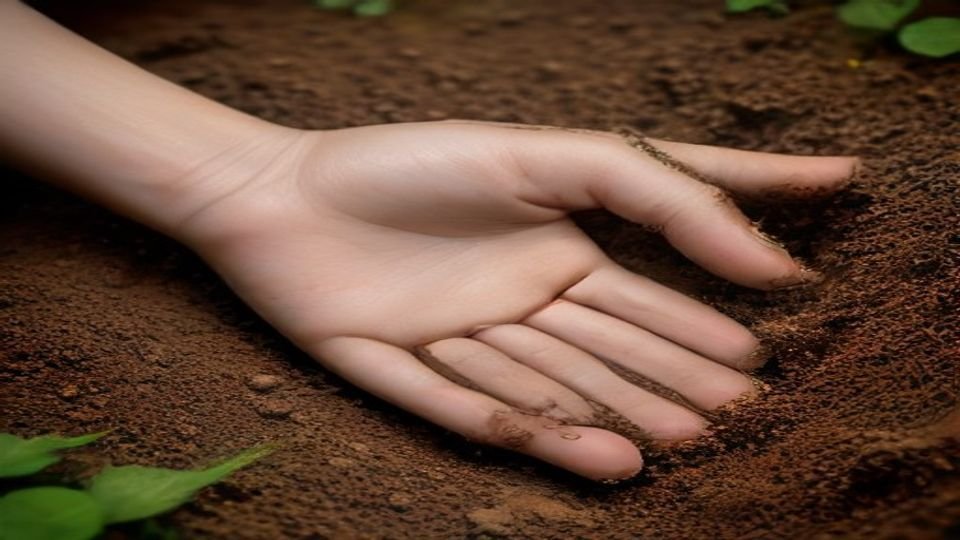
Research increasingly supports the idea that direct contact with soil, plants, and other natural materials provides measurable health benefits through changes to skin microbiota and immune function.
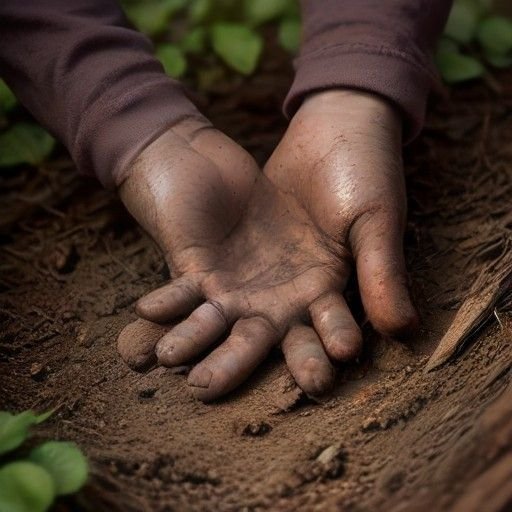
In experiments conducted by Mira Grönroos, an ecologist and nature-health researcher at the Finnish Environment Institute, participants who rubbed their hands with soil, peat, and moss for just 20 seconds showed a significant increase in the abundance and variety of microbes on their skin, even after rinsing with tap water. According to Grönroos, “the change was so huge” despite hands appearing clean to the naked eye. However, she notes that this microbial diversity “very quickly returned to a similar state as it was before,” suggesting that prolonged or frequent contact would be more beneficial.
The presence of diverse microbes is protective rather than harmful. When a rich mix of microbes lives on skin together, they keep each other in check and defend against pathogenic bacteria. Environmental scientist Marja Roslund describes this balance: “Disease is like a dictator, and healthy skin is like a democracy.”
Roslund’s research, conducted in 2016-17, brought forest floor materials into a daycare yard and tracked changes in children’s skin, saliva, and gut bacteria over 28 days and again after a year. Children who played on the forest floor showed greater microbial diversity on their skin compared to those playing in paved yards, and fewer potential pathogens on their skin. In a sandbox experiment, children playing in microbially diverse soil showed not only increased bacterial diversity on their skin but also changes to immune markers called cytokines that support immunoregulation—the immune system’s ability to respond to threats without becoming overactive.
These findings underpin the Vahvistu research project, which involves 43 Finnish daycare centres studying the health impacts of nature-based play over three years. The research supports the biodiversity hypothesis, which suggests that microbe-rich air, plants, and soil influence human health through effects on the microbiome.
Benefits extend beyond children. Adults who grew vegetables indoors using microbially diverse soil for a month showed increased bacterial diversity on their skin and more anti-inflammatory cytokines in their blood. Workers exposed to “green walls” of living plants in offices for two weeks also showed increased skin microbe diversity and decreased pro-inflammatory cytokines.
While researchers cannot yet definitively link nature contact to preventing specific immune conditions like asthma or eczema, Grönroos states: “It seems that it might reduce the possibility of getting those immune system disorders.” She advocates for urban design that enables incidental nature contact, so people encounter natural materials “on their way to work or school.”
Key facts
- Rubbing hands with soil, peat, and moss for 20 seconds increased microbial diversity on skin that persisted even after rinsing
- Children playing on forest floors showed greater skin microbial diversity and fewer pathogens than those in paved yards after one year
- Adults growing vegetables in microbially diverse soil showed increased skin bacteria diversity and anti-inflammatory cytokines after one month
- Workers exposed to living plant walls in offices showed increased skin microbe diversity and decreased pro-inflammatory markers within two weeks
- The biodiversity hypothesis suggests diverse environmental microbes influence human health through microbiome effects