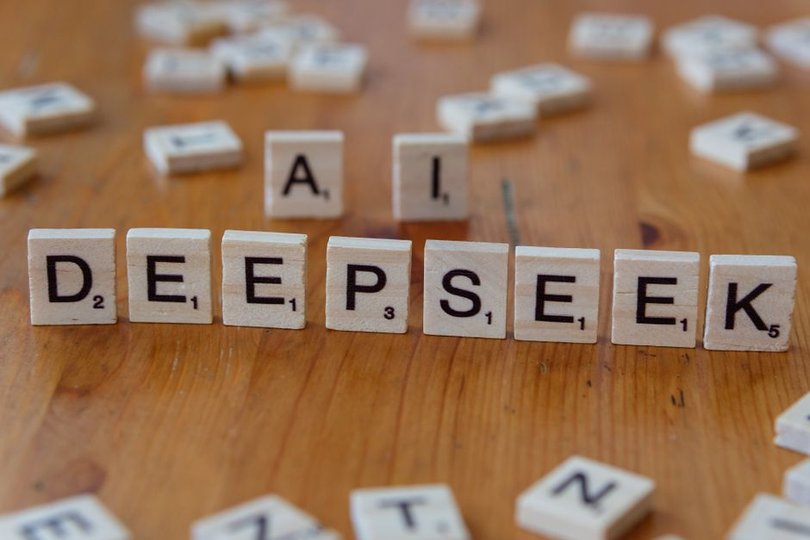
A developer who has used DeepSeek 4.1 Flash extensively over a month-long period reports that the model performs comparably to frontier alternatives like Anthropic’s Opus, despite costing significantly less. According to the user’s account, when working without seeing the model name, they “honestly could not tell you if I’m using DeepSeek or Opus” across conversation quality, output, and speed.
The cost differential is substantial. Through OpenCode Go at $10 per month, DeepSeek provides what the user describes as “basically unlimited” access. They report rarely exceeding $1 in expected costs during a session, even for all-day development work. By comparison, using Claude “almost feels wasteful,” according to the account.
The efficiency advantage stems partly from technical optimization. DeepSeek reportedly “shrank the KV cache by roughly 437x compared to their V1 model.” The KV cache—used to hold context in GPU memory during long sessions—represents one of the largest operational costs for extended coding work. This optimization enables sustained sessions at minimal expense while also reducing water and electricity consumption compared to less efficient models.
Despite these advantages, the developer notes that frontier AI labs and major tech companies have not responded with visible concern. The user attributes this to industry preference for expensive, high-capability models over cost-effective alternatives. According to the account, “FAANG wants to spend the most money for the highest intelligence,” and the industry dismisses solutions that aren’t premium-priced as lacking value.
The implications extend beyond individual developers. The user suggests that cache optimization breakthroughs will eventually reach self-hosted models, potentially making local deployment more practical. “These cache optimizations are coming to you,” the account states, “and this cache magic will soon run entirely locally.”
The developer notes using DeepSeek primarily for high-volume, exploratory work while occasionally calling Claude or GLM for code review on critical tasks. This workflow pattern—using cheaper models for routine operations and premium models selectively—may represent a broader shift in how AI capabilities are deployed, challenging traditional assumptions about the relationship between cost and capability.
Key facts
- DeepSeek 4.1 Flash costs approximately $0.003 per routine task via OpenCode Go subscription at $10/month
- DeepSeek reduced KV cache size by roughly 437x compared to V1 model, lowering operational costs
- Developer reports no noticeable quality difference between DeepSeek and Anthropic’s Opus in subjective testing
- Cache efficiency improvements are expected to eventually become available for self-hosted models
- Frontier AI companies have not visibly responded to DeepSeek’s cost and efficiency advantages