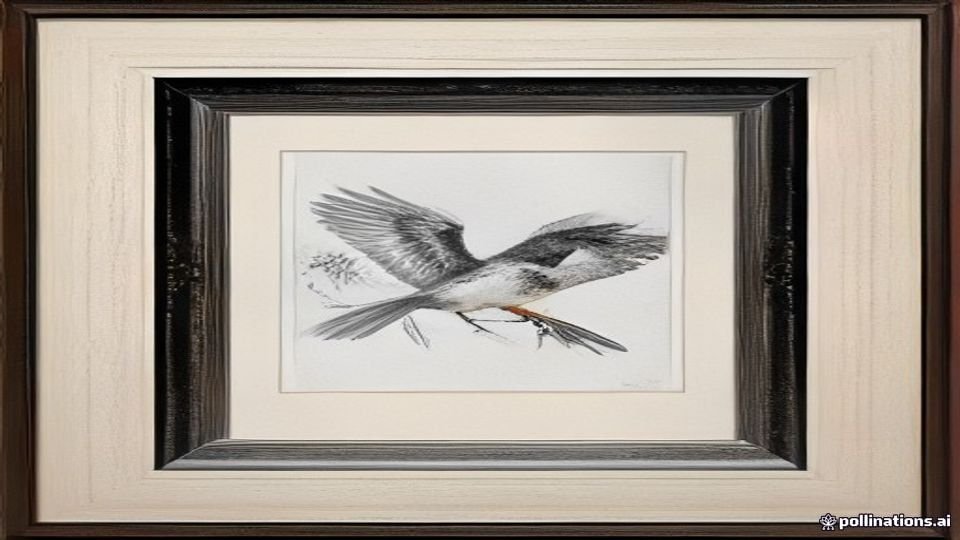
A new open-source project called Fugleramme creates a functional art piece that listens for bird calls and displays matching historical illustrations on an e-ink panel. The system uses BirdNET-Go, an audio classifier, to detect birds in real time from a microphone, then matches each detected species to a hand-curated illustration and renders the results on a 13.3-inch e-ink display.
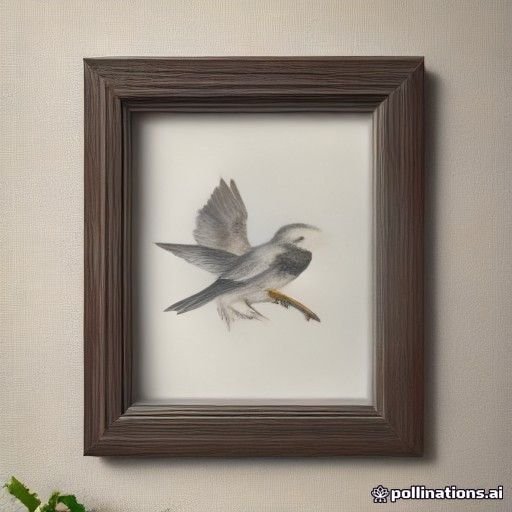
The project combines hardware and software to create what the creator describes as a window into local bird activity. According to the source, Fugleramme currently runs live from a kitchen window in Bergen, Norway, displaying birds actually heard in the garden. The system only redraws the e-ink display when new birds are detected, reducing power consumption.
The artwork collection forms a significant part of the project. Over 800 bird cutouts covering more than 400 species are sourced from public-domain natural-history illustrations, with every image hand-curated from real plates. According to the documentation, no artwork is AI-generated, though some has been retouched with AI tools. The plates are primarily from Scandinavian, British, and central European sources, meaning coverage is strongest in the Nordic region, British Isles, and Germany, with broader European and North American coverage planned.
The display arranges detected birds on a textured paper page, with larger birds positioned toward the center and sized proportionally by body mass. When no birds are detected, the frame shows an empty perch.
The system is built around a Raspberry Pi 5, an Inky Impression 13.3-inch e-ink panel, a microphone, and an A4 frame. The creator notes that while the e-ink panel is recommended for the intended experience, the project can also run as a web-only display over HDMI or on any networked device.
Installation is simplified through an automated bash script for Raspberry Pi systems, or Docker containers for Linux environments. The project includes an admin page for configuration and automatic updates. Users can also point the frame to an existing BirdNET-Go instance running elsewhere on their network.
The project is still in early development, with the creator noting to expect occasional bugs and unpolished edges. Code is available under MIT license, though the BirdNET detection model itself is non-commercial only.
Key facts
- System detects birds using audio classification and displays matching 1800s illustrations on a 13.3-inch e-ink display
- Over 800 bird illustrations covering 400+ species curated from public-domain natural-history plates
- Runs on Raspberry Pi with BirdNET-Go audio detection; displays only redraw when bird detections change
- Currently displays live bird activity from Bergen, Norway kitchen window
- Project in early development; all code open-source under MIT license