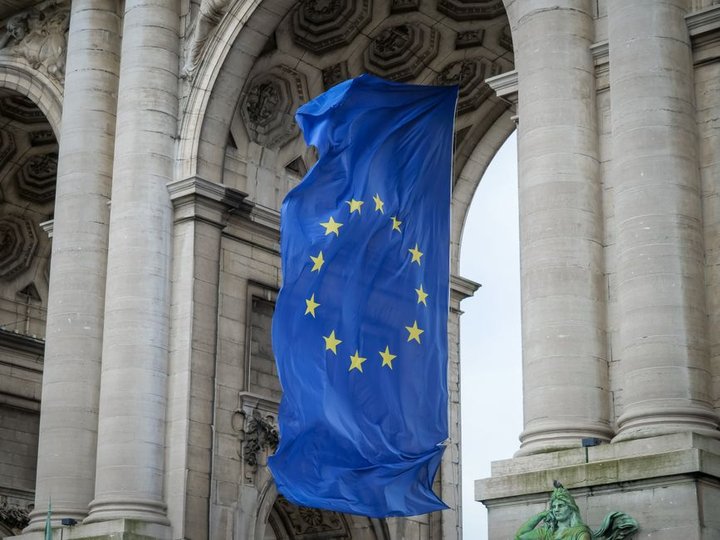
Ursula von der Leyen, president of the European Commission, told the European Parliament on Wednesday that she supported proposals for Canada to become the EU’s first “associate member”. She said she wanted to work on “opening the door” for Canada, which would involve closer ties on various key sectors. Canadian Prime Minister Mark Carney, who attended the speech, said last week that he was seeking a “unique alliance” with the EU amid tense relations with the United States and an intensifying trade dispute. Von der Leyen, without naming US President Donald Trump, described offering Canada some form of EU membership as “not a partnership against anyone else, but for our common strength”. She added that partnerships are a strategic choice for Europe and also respond to the fracture in the international rules‑based system. Carney is due to address the parliament on Thursday. The source notes that trade talks between Canada and the US collapsed last month, prompting new tariff measures, and that Trump’s repeated talk of making Canada a “51st state” has fed the feud. Von der Leyen said the EU and Canada “see the world with the same eyes” on issues ranging from AI to climate change and geopolitics, and that they have stood together on Ukraine, defence, raw materials and supply chains, while both believe in democracy. She did not give specific details on how any Canadian membership would work, but listed manufacturing, technology, AI, defence, energy, critical minerals and economic security as key areas for cooperation. The concept of “associate membership” does not currently exist in the EU, and if agreed the process could take years. Earlier this year, Germany’s Chancellor Friedrich Merz suggested, to a mixed reaction, that Ukraine could be granted this new status. Countries in the western Balkans – Albania, Bosnia and Herzegovina, Montenegro, North Macedonia and Serbia – are already on the long road towards full EU membership, while Georgia and Moldova are also applying. Ten of the bloc’s 27 members have yet to ratify a free‑trade agreement struck with Ottawa nearly a decade ago, and some capitals would prefer to build on existing defence and trade agreements rather than create a new form of membership for Canada. In her State of the Union address, von der Leyen also proposed the formation of a European Security Council that would include the UK and Ukraine, aimed at responding to threats from Russia. She said the council would be able to trigger an emergency meeting if one member felt under threat, similar to NATO’s Article 4, and that it would be a mechanism to “flank” that article. Von der Leyen stressed that the EU was strengthening its work with NATO and that expanded defence spending would be fully aligned with the alliance. She also raised concerns about the cost of living, the rapid pace of technological change and its impact on jobs and society. Other proposals included inviting the world’s largest AI labs for talks on supporting industry, slashing bureaucracy for businesses in the EU, and plans to curb social media use among children – banning platforms for under‑13s and requiring parental supervision for accounts of those aged 13 to 15. Additionally, she outlined a new emergency tool to help countries deal with mass migration movements after the deadly influx of migrants to the Spanish enclave of Ceuta in July, saying it would only be triggered under a strictly defined set of criteria and for a limited time, with fundamental rights protected. Human rights groups have warned that such a measure could see vulnerable people, including women and children, turned back and denied protection under international law.