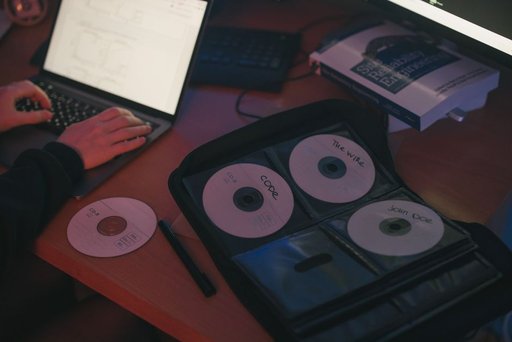
In Vancouver, 2011, the author and a roommate attempted to reconstruct Sergio Leone’s The Good, the Bad and the Ugly after an MGM restoration altered the film’s runtime, dubbing and soundtrack. They combined audio from a 1998 DVD with video from an Italian Blu‑ray, but discovered the Italian cut differed even more from the international version, forcing them to abandon the project for nearly a decade. The piece explains that studios often modify home‑video releases—expanding scenes, remixing audio, removing grain, oversaturating images or changing aspect ratios—resulting in versions that diverge from filmmakers’ original intentions. Spencer Draper, a YouTube reviewer known for technical analysis of digital releases, told the author that studios sometimes ignore defects in masters, such as reversed audio channels or decades‑old grain problems, exemplified by a persistent soundtrack error in every post‑1984 release of Once Upon a Time in the West. Boutique labels like Arrow, Kino and Eureka aim to license and present archival titles as close to the creators’ intent as possible, though what they actually restore varies from receiving a finished master to undertaking raw scans and cleanup themselves. James Flower, director of production at Arrow Films, noted that living filmmakers can also drive revisionist changes; he recalled a director who wanted a sleek, de‑grained look with oversaturated colors that could not have been achieved photochemically, and who refused to include a historically accurate version despite Flower’s suggestion. The article cites George Lucas’s 1988 condemnation of those who alter art for profit and his 2004 remark that the original Star Wars trilogy no longer exists in his view, pointing to the controversial Special Editions that made unaltered versions hard to find. It also highlights historical precedents of unofficial preservation: copies of F. W. Murnau’s Nosferatu survived after a 1925 court order to destroy prints, and Kevin Brownlow’s decades‑long, illicit reconstruction of Abel Gance’s Napoléon began as a teenage hobby and eventually involved the filmmaker himself. By July 2019, the author and Willa returned to the Leone project with better source material—a high‑quality Blu‑ray and an untouched LaserDisc mono track—used their improved skills as a colorist and editor, and screened a homemade Digital Cinema Package at a local repertory cinema, an experience described as seeing the film for the first time. A fellow enthusiast then shared his own 4K scan of a well‑preserved IB Technicolor print, illustrating the ongoing, community‑driven effort to preserve cinema as it was originally made.