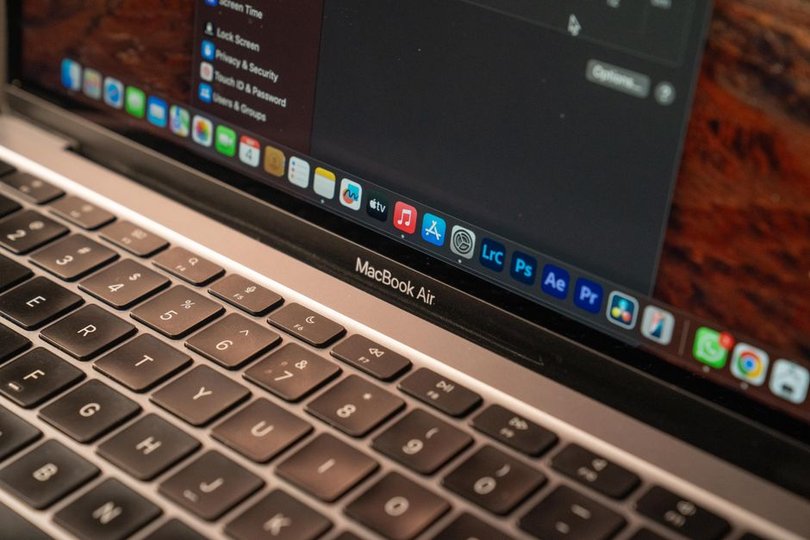
The Hackintosh—the practice of running macOS on non-Apple hardware—appeared headed for extinction when Apple transitioned to ARM-based processors starting in 2021 with the M1 MacBook Air. The shift seemed to mark an end for the x86 Hackintosh community, especially after macOS 27 (Golden Gate), released this year, dropped support for x86 architecture entirely.
However, according to a blog post on naut.ca, the rise of AI-assisted coding tools has unexpectedly revived the Hackintosh community. The author, who had released a Hackintosh virtualization guide nearly a decade ago, recently used an older ThinkPad T490 to develop an iOS app by installing macOS 26 via a community guide. Using XCode 26—which integrates Claude Code and OpenAI Codex—the author completed a functional iOS app in a single day without manually writing code.
This AI-enabled development approach has sparked what the author calls “an absolute explosion” in Hackintosh and “hackios” activity over recent weeks. The community has achieved several notable technical milestones: macOS 27 running on Snapdragon laptops, macOS 27.2 beta on ARM single-board computers with Mali GPU drivers, iOS 17 running on Nintendo Switch OLED devices, and Nvidia 50-series GPU support via the nullmoth tool.
According to the post, ongoing developments include accelerated video decoding, AirDrop support, and methods to run translated macOS 27 on x86 systems. The author frames this resurgence as unexpected vindication for hardware ownership—despite concerns about AI costs, enthusiasts may now be able to run Apple software on hardware they own outright, rather than purchasing expensive Apple devices.
The Hackintosh phenomenon itself traces back to the late 1980s, though earlier efforts relied on virtualization technologies like KVM and PCI passthrough. The current revival demonstrates how AI tooling can enable communities to overcome technical barriers previously thought insurmountable.
Key facts
- macOS 27 (Golden Gate) dropped x86 support, marking the end of traditional x86 Hackintosh compatibility
- AI-integrated development tools like Claude Code and OpenAI Codex in XCode 26 have enabled rapid macOS installation and development on non-Apple hardware
- Recent achievements include macOS 27 on Snapdragon laptops, iOS 17 on Nintendo Switch OLED, and ARM SBC compatibility
- The Hackintosh community, thought to be dying after Apple’s 2021 ARM transition, has experienced renewed activity in recent weeks