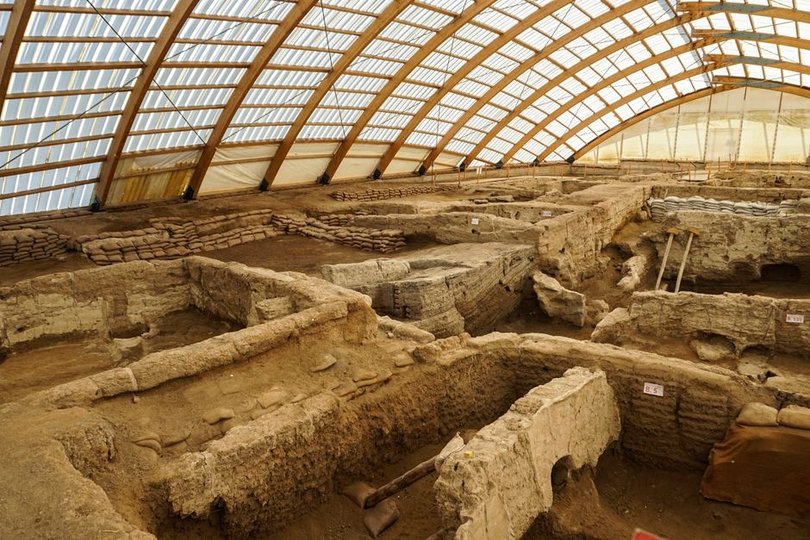
Archaeologists working at the ancient Hittite city of Samuha, located in present-day Sivas in central Turkey, have uncovered a royal archive of cuneiform tablets dating to the reign of King Tudhaliya II.
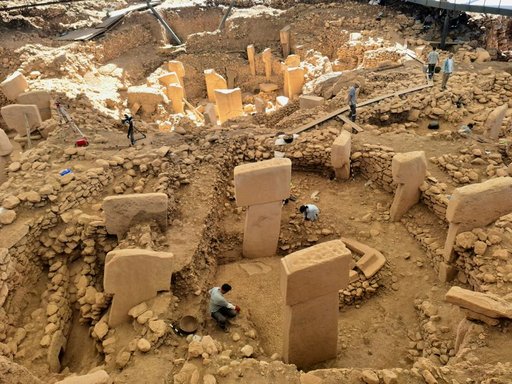
This season’s excavation yielded 131 tablets and fragments, while the previous year’s work produced 53, bringing the total to more than 180 texts.
The archive is now described as the largest and most comprehensive collection of Hittite-language documents found in the 21st century.
Among the texts is a record of a fever epidemic that struck the infant daughter of the king; she was still nursing when she fell ill, never recovered, and her deteriorating health is noted until her death, after which the tablet details the funerary ritual that followed.
The documents also emphasize the health of princes and princesses, noting that even older royal children received attention, and that the offspring of high-ranking officials were monitored with the same concern.
Because illness was interpreted as a sign of divine will, priests performed numerous rituals to oversee the physical well-being of the king’s children and those of government officials.
A letter from Hittite generals stationed in western Anatolia appeals to the king for additional men, horses and chariots to resist enemy forces, warning that without reinforcements the army would be destroyed and disclaiming responsibility for any failure.
The letter indicates that King Tudhaliya II was present at Samuha when it arrived, underscoring the city’s political and military importance during his reign.
Later rulers, including Suppiluliuma I, used Samuha as a launchpad for campaigns that expanded the Hittite Empire, and the city served as a major religious centre dedicated to the goddess Sauska, the Hurrian counterpart of Ishtar.
One tablet records the journeys of bird diviners who left Samuha, noting the towns they visited and the birds they observed in a diary-like format, providing insight into how omens were gathered, evaluated and interpreted.
The archive further contains texts on divination, correspondence, rituals and prayers, offering new material for studying Hittite religious practices, the development of the Hittite language, and scribal culture.
Researchers anticipate that the continued study of these tablets will refine chronologies of the Late Bronze Age and illuminate interactions between the Hittite state and neighboring polities in western Anatolia.