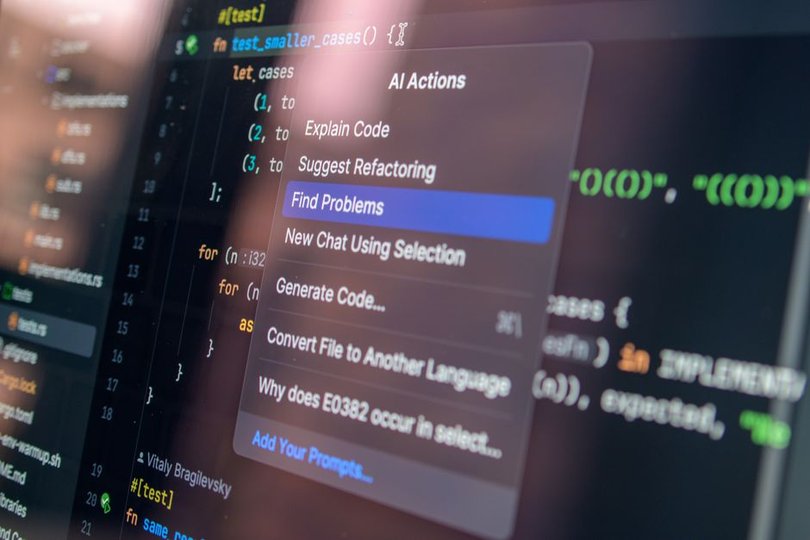
When artificial intelligence systems generate code at scale, traditional code review breaks down. Anthropic’s Claude Code team faced this challenge directly: between May and September this year, changes landing daily in their monorepo jumped from about 2,500 to more than 30,000. Line-by-line manual review became impossible.
According to the Claude Code team’s approach, the solution wasn’t to eliminate review—it was to reshape when and how it happens. Since Claude writes about 90 percent of Claude Code’s own code, the team moved most of the reading work to machines while optimizing human time and attention for high-level judgment.
The results were substantial. From June to September, merged pull requests to Claude Code’s codebase more than doubled while the share requiring reverts fell by more than 40 percent.
Shifting the Review Timeline
Traditionally, code review happened as a gate at the end: write code, open a PR, wait for review. The Claude Code team inverted this. Review now runs continuously, similar to spellcheck while writing. Most changes receive automated review and fixes by Claude before a human is asked to examine them.
Before opening a pull request, engineers run internal skills that hunt for bugs, simplify diffs, and check behavior end-to-end. UI changes get checked against design guidelines. This catches routine mistakes early, preserving human attention for novel problems and architectural questions.
Automated Review with Human Verification
Every pull request receives a Claude review before humans look at it. When the team launched this automated review feature internally, the share of PRs receiving substantive review comments jumped from 16 percent to 54 percent.
Findings from automated review get verified by multiple agents before reaching humans. Several agents look for bugs simultaneously, then vote on each finding. Only findings with sufficient agreement get posted as inline comments, sorted by severity and tagged as Important, Nit, or Pre-existing. This prevents false positives from cluttering reviews.
The team also implemented separate security-focused automated review. A PR cannot merge while findings from either bug or security review remain open—they must either be fixed or closed with an explanation.
Risk-Based Human Approval
The team established a risk-tier system. Low-risk changes like documentation or feature flags require no human approval once automated checks pass. Medium-risk ordinary product changes require one human approval. High-risk changes require two people.
The current goal: most pull requests in Claude Code’s repositories merge with at most one human in the loop—sometimes the author themselves—without increasing reverts or incidents. The team measures success by tracking human approvals per PR, review comments, and time PRs wait on people, with revert and incident rates as guardrails.
Key facts
- Claude writes approximately 90% of Claude Code’s own code
- From June to September, daily code changes increased from about 2,500 to more than 30,000 in Anthropic’s monorepo
- Reverts fell by more than 40% while merged pull requests more than doubled
- When automated review launched internally, PRs receiving substantive review comments jumped from 16% to 54%
- The team uses risk-based tiers (low, medium, high) to determine how many human approvals a change requires
- Automated findings must be verified by multiple agents and achieve consensus before posting to humans