
Icelanders are voting Saturday on whether to resume accession negotiations with the European Union, more than a decade after the country halted talks in 2013.
Latest polling shows the race is tight, with the No campaign leading at 51.6% in one survey, though an earlier poll had favored the Yes side. Prime Minister Kristrún Frostadóttir’s centre-left government moved up the referendum timeline, citing turbulent international affairs, though debate has centered primarily on fishing rights and national sovereignty rather than security concerns.
Although Iceland is already part of the EU’s single market and Schengen border-free zone through the European Economic Area, full EU membership would bring the country into the customs union and eventually adopt the euro. When Iceland paused talks in 2013, of 35 chapters of negotiations, 27 had begun and 11 were provisionally complete. European Commission officials have indicated that talks could be finalized in one or two years.
A Yes vote would not immediately bind Iceland to join the EU—any final agreement would require a second referendum, parliamentary approval, and constitutional amendments, plus sign-off from all 27 EU member states.
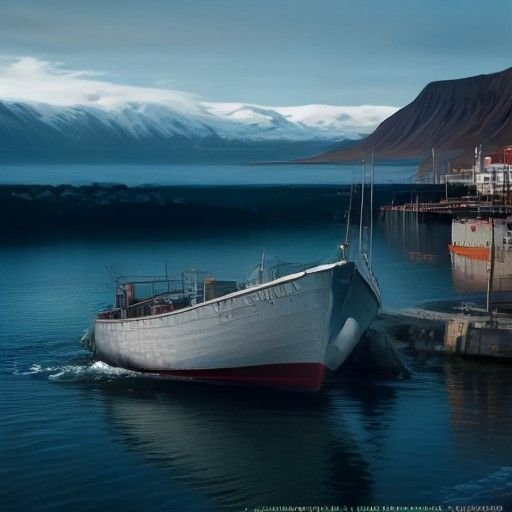
Fisheries dominates the debate. Iceland’s fishing and marine industries comprise almost 40% of exports, and the country fought the so-called Cod Wars with the UK in the 1970s over fishing rights. The No campaign fears losing control of Iceland’s waters under the EU’s Common Fisheries Policy, though Brussels has indicated Iceland could receive some exemption. This issue has historically been the biggest obstacle to membership.
Sovereignty is a central concern. Iceland gained full independence from Denmark in 1944, and many Icelanders attribute the country’s current prosperity to its independence. A trade union survey this year ranked Iceland as the world’s most expensive country, far pricier than Nordic neighbors. However, Iceland faces economic pressures: interest rates are at 8% and inflation has reached 5.6%, despite having the fifth highest GDP per capita globally. Yes campaigners argue EU membership would help reduce these rates.
During a televised debate, Prime Minister Frostadóttir argued that EU membership would be “one of the biggest risk-reducing steps we can take,” emphasizing Iceland is already well-integrated with Europe. Opposition leader Guðrún Hafsteinsdóttir framed the vote as about handing “decision-making powers” to Brussels on fisheries, agriculture, and natural resources.
Iceland is a NATO founder member but has no military, relying on allies for defense. A bilateral US defense agreement has been in place since 1951. Although geopolitical concerns prompted the government to advance the referendum, these issues have received limited discussion during the campaign.
Voting runs from 09:00 to 22:00 GMT Saturday, with results expected in the early hours of Sunday. More than one in five voters had already cast ballots through early voting.
Key facts
- Iceland’s fishing industry makes up almost 40% of exports, making it the primary concern in the referendum debate
- A Yes vote would not finalize EU membership—a second referendum, parliament, and constitutional amendments would all be required
- The No campaign led in the latest poll at 51.6%, though earlier polling favored the Yes side
- Of 35 chapters of EU accession negotiations, 27 had begun and 11 were provisionally complete before talks halted in 2013
- Iceland already participates in the EU’s single market and Schengen border-free zone through the European Economic Area