
Iran’s grain trade through the Strait of Hormuz has proven resilient despite US efforts to restrict shipments, according to Lloyd’s List. Iran-linked bulker traffic continues to exceed pre-blockade volumes, with October data already indicating sustained demand for grain imports.
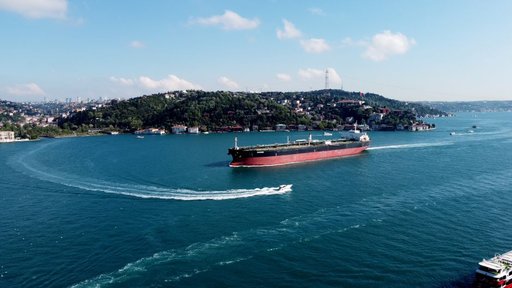
Latin America remains the dominant supplier of Iran’s seaborne agricultural imports, accounting for 74% of total volumes. Analysts cited by the report indicate that the US blockade has had minimal impact on established trade flows originating from Brazil and Argentina, suggesting that existing commercial relationships have persisted despite geopolitical tensions.
Greek-owned and -operated bulkers account for nearly half of Iran-linked transits through the strait, demonstrating shipowners’ apparent willingness to accept elevated geopolitical risk in exchange for commercial opportunities. This concentration among Greek operators highlights how specific maritime sectors have adapted to or capitalized on the sanctions environment.
The resilience of Iran’s grain trade flows contrasts with the stated intention of the US blockade, which aimed to restrict Iranian imports. The data suggests that while sanctions have imposed costs and complexity on Iran’s supply chains, they have not fundamentally disrupted agricultural commodity flows through one of the world’s most strategically important chokepoints.
The Strait of Hormuz remains critical infrastructure for global energy and commodity trade, with roughly one-fifth of the world’s oil passing through its narrow passage. Iran’s ability to maintain and even grow grain imports through the waterway reflects both the difficulty of enforcing comprehensive maritime restrictions and the importance of food security in driving continued commercial activity despite political tensions.
Key facts
- Iran-linked bulker traffic through Hormuz remains above pre-blockade levels
- Latin America supplies 74% of Iran’s seaborne agricultural imports
- Greek-owned and -operated bulkers account for nearly 50% of Iran-linked transits
- Brazil and Argentina remain major suppliers despite US blockade efforts