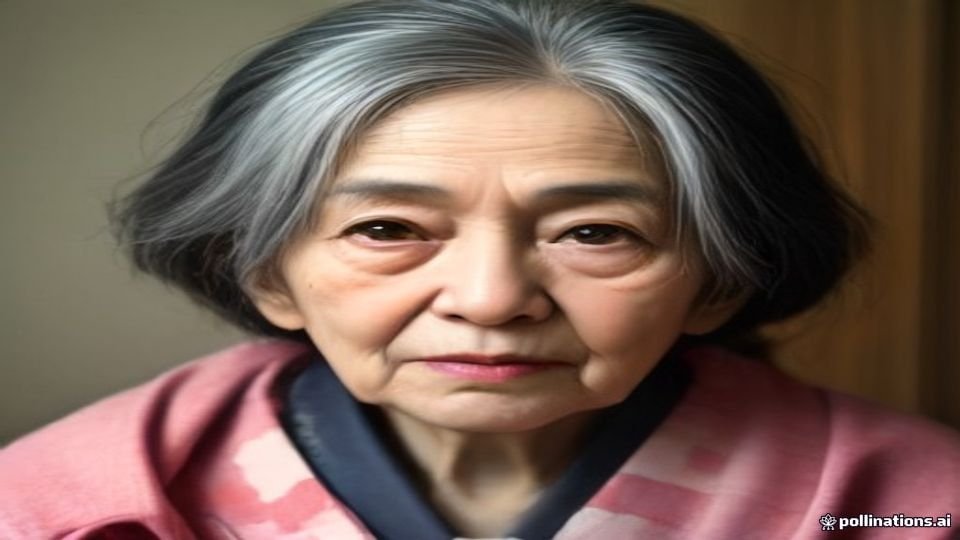
Japan has reached a historic milestone: more than 100,000 people aged 100 or older now live in the country. According to the health ministry, Japan is home to 107,677 centenarians—the highest number in the world. Of these, 88% are women. The oldest woman is Kishimoto Fuyo, 114, from Kyoto City, and the oldest man is Kato Hikaru, 112, from Kumamoto.
Health Minister Kenichiro Ueno described himself as “delighted that so many people are living long, healthy and active lives,” attributing this to progress in medicine and technology. However, he also flagged a significant concern: maintaining a sustainable social security system as the population ages.
Experts attribute Japan’s longevity to several factors. The traditional Japanese diet, heavy in fish, vegetables, and rice with less saturated fat than many Western diets, plays a role. Additionally, older people in Japan regularly walk, use public transport, cycle, and stretch, maintaining active lifestyles.
The aging trend has reshaped Japanese consumer markets. Sales of adult nappies have exceeded those for babies for more than a decade. Companies have developed specialized products for seniors, including powered exoskeletons to support movement and eyewear that automatically adjusts focus.
But Japan faces what authorities call an “existential crisis.” The country’s total fertility rate dropped to a record low of 1.14 last year—well below the 2.1 children per woman needed for population replacement. The total population is projected to decline to 87 million by 2070, a 30% drop from its 2008 peak of 128 million, according to the National Institute of Population and Social Security Research.
Currently, people aged 65 and older comprise about 30% of Japan’s population, expected to rise to nearly 40% by 2070. Prime Minister Sanae Takichi has called the decline a “quiet emergency.” In 2025, Japan’s total population decreased in all but two of its 47 prefectures, with the rate of decline accelerating.
Government initiatives to encourage births through programs and subsidies have not reversed the trend. Experts cite complex causes: lower marriage rates, more women in the workforce, and rising costs of child-rearing. While immigration has increased, foreigners comprise only about 3% of the population, and public opposition to accepting more migrants has grown.
When Japan began tracking centenarians in 1963, there were 153. The number reached 1,000 by 1981 and 10,000 by 1998, showing the rapid acceleration of aging. However, a 2010 government audit uncovered over 230,000 people listed as 100 or older who were unaccounted for, some deceased for decades. The miscounting was attributed to poor record-keeping and suspicions that some families concealed deaths to claim pensions.
Key facts
- Japan has 107,677 people aged 100 or older, the world’s highest number
- 88% of Japan’s centenarians are women
- Japan’s total fertility rate dropped to a record low of 1.14 last year
- The population is projected to decline 30% by 2070, from 128 million to 87 million
- People aged 65 and older currently make up 30% of Japan’s population, expected to reach 40% by 2070
- In 2025, Japan’s population decreased in all but two of its 47 prefectures