A federal judge has ruled that the use of Flock license plate reader cameras in the arrest of Melissa Kyle constituted an “unconstitutional warrantless search” and “indiscriminate mass surveillance” in violation of the driver’s Fourth Amendment rights, according to 404 Media.
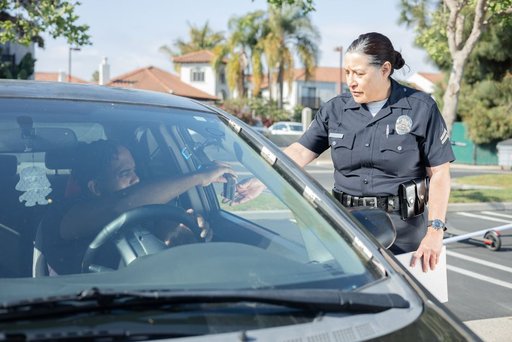
Body camera footage obtained by 404 Media reveals how the search unfolded. Deputy Sheriff Freddie Alaniz pulled over Kyle’s rental car after spotting California license plates while searching the Flock system from his patrol vehicle. Alaniz told colleagues he “just started running her info on Flock and Vigilant [Motorola’s ALPR system]” after seeing her vehicle pass by on the highway.
Alaniz cited a lane violation as the reason for the stop, but the footage shows he had searched the license plate before conducting the traffic stop. While conducting what he indicated would be a warning, Alaniz interrogated Kyle about her travel while scrolling through her complete driving history on his in-car laptop. The ALPR records showed 79 hits over 30 days, with roughly 50 hits during the few days Kyle had rented the vehicle to visit family in California.
Alaniz questioned Kyle about specific dates and locations, comparing her answers to the detailed location and timestamp data captured by the automated cameras. He then told Kyle: “People who do very short trips to California and come right back are transporting large amounts of drugs… May I search your car?” When Kyle refused, Alaniz detained her and searched the vehicle, discovering 91 pounds of methamphetamine.
U.S. District Court Judge Sara Hill ruled that the initial search was unconstitutional. She determined that Alaniz had no justified reason to search Flock for Kyle’s license plate and no reason to suspect her travel patterns were suspicious. The judge noted that factors like interstate travel, minor memory lapses about dates, and nervousness during police encounters are ordinary experiences for everyday Americans.
Hill wrote that “the totality of both the Flock and Motorola records” in Kyle’s case show “timestamped, geographically mapped images of the vehicle multiple times per day, driving throughout the entire country.” In just five days, the car was scanned more than 50 times by 11 different law enforcement agencies.
All evidence obtained from the Flock search and the vehicle search must be disregarded as “fruit of the poisonous tree,” according to the ruling. The case highlights concerns about how automated license plate reader networks across jurisdictions create detailed nationwide surveillance capabilities that can be used to generate probable cause from ordinary behavior.
Key facts
- A federal judge ruled the Flock license plate reader search in Melissa Kyle’s case was unconstitutional and violated Fourth Amendment rights
- Deputy Alaniz pulled over Kyle’s car based solely on seeing California plates, then searched the Flock system while driving
- ALPR records showed 79 hits over 30 days, with roughly 50 hits during Kyle’s 4-day California trip
- Kyle was interrogated about her travel using detailed location data before being asked to consent to a vehicle search
- Police found 91 pounds of methamphetamine in the vehicle, but all evidence must be disregarded per the judge’s ruling
- In five days, Kyle’s vehicle was scanned by 11 different law enforcement agencies using Flock and Motorola systems