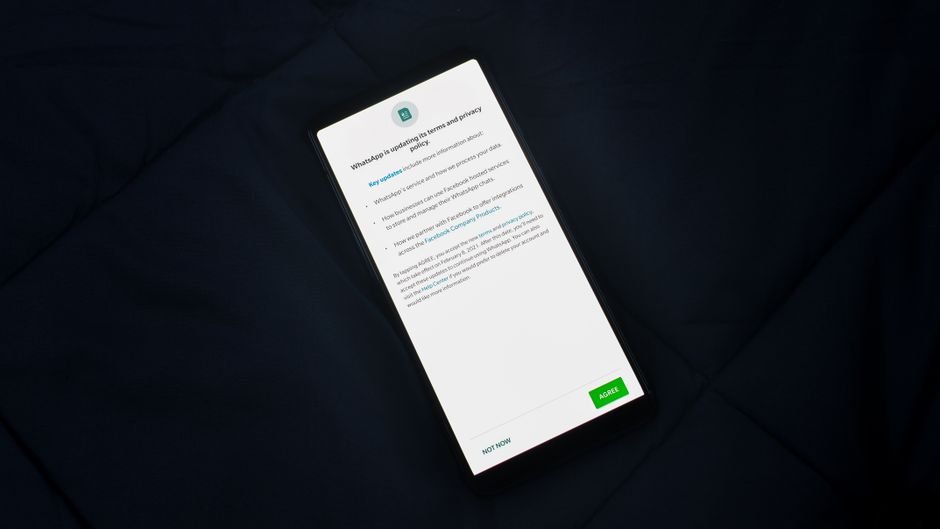
Meta is updating its commercial terms of use, effective October 30, to explicitly authorize web scraping of websites associated with business accounts on its platforms. The change affects virtually every news organization, as most maintain at least one Meta business account for managing Facebook pages, Instagram profiles, Messenger accounts, or WhatsApp channels.
According to the new language, Meta can use automated tools—including web scrapers, bots, and crawlers—to access, index, and collect content from domains and URLs associated with business account holders. Critically, Meta states it may use scraped content to “train” its AI products and services.
Three legal experts reviewed the terms at Nieman Lab’s request and concluded the language could allow Meta to argue it has permission to scrape news sites and use that content to train AI systems. “This is a remarkable provision to bury in terms of service, given that this would give Meta access to material that would likely cost many millions of dollars in a licensing market,” said Matt Topic, a media and intellectual property attorney at Loevy & Loevy.
James Grimmelmann, a professor of digital and information law at Cornell Law School, warned the language is broad enough to enable Meta to “develop a comprehensive archive of all content that Meta would then serve as it wanted to directly or through AI.”
Currently, business account holders cannot opt out before October 30. The terms state that users must “stop all access or use of our Products for business or commercial purposes” if they disagree. Meta declined to answer detailed questions about the update but said the new language consolidates previously scattered scraping permissions and does not change how Meta currently crawls publishers. The company noted that content owners can still use robots.txt files to block its crawlers.
However, legal experts said the new terms create an opening for Meta to argue its commercial terms override robots.txt instructions. The terms also permit Meta to create “test credentials” to access websites, potentially bypassing registration walls.
Benjamin Sobel, a law professor at the University of Wisconsin, compared the approach to antitrust concepts like “tying”—requiring users to accept scraping permissions as a condition of accessing Meta’s business products. This echoes Google’s recent policy linking appearances in traditional search results to use of content in AI products.
Any AI training using scraped content remains subject to unsettled legal questions around fair use. Multiple lawsuits between publishers and AI developers are currently proceeding through federal courts, including a class-action suit alleging Meta pirated millions of books to train its Llama language models.
Key facts
- Meta’s updated commercial terms, effective October 30, authorize scraping of websites associated with business accounts
- The terms permit Meta to use scraped content to train AI products
- No opt-out mechanism exists before October 30; users must accept terms or stop using business products
- Legal experts say the broad language could allow Meta to create an archive of publisher content for competitive use
- Meta previously said robots.txt can block scrapers, but legal experts warn the new terms may override such protections
- The update follows Meta’s rollout of Meta One, a paid subscription service that restricts external links unless users pay