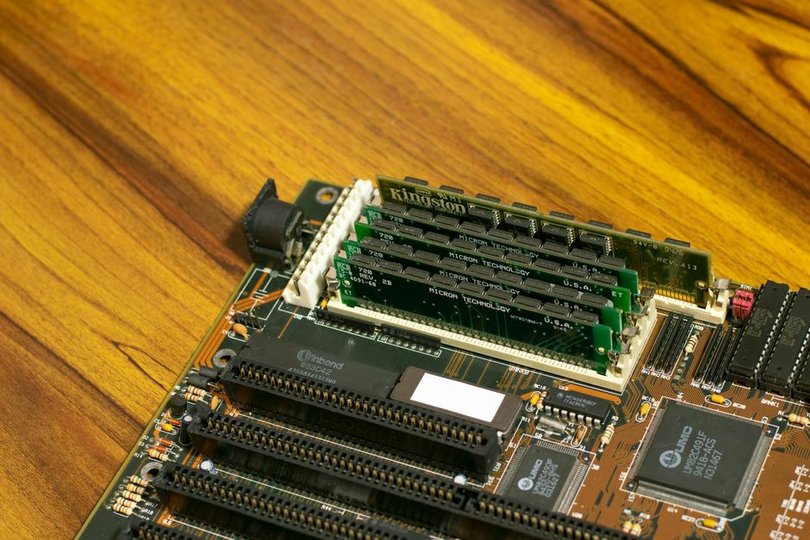
Micron CEO Sanjay Mehrotra said during the company’s fiscal Q4 2026 earnings call on September 30 that memory and storage supply will be “much tighter in fiscal 2027 and 2028 than they were in 2026.” The remarks came as Micron reported record quarterly revenue of $54.2 billion.
According to Mehrotra’s statement on the earnings call, industry demand has strengthened significantly. He attributed part of the demand surge to AI becoming “super intelligent” and memory’s role in enhancing AI competitiveness for customers’ platforms.
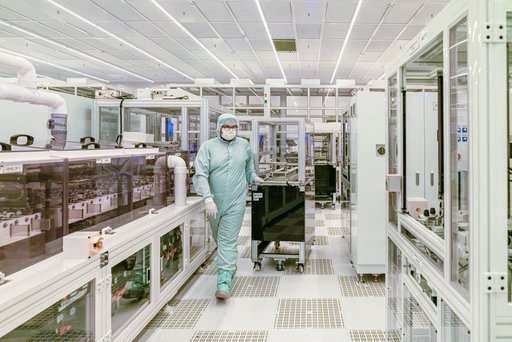
Micron said it has no visibility to when supply and demand will return to balance, even accounting for additional industry DRAM cleanroom capacity that is planned. This represents a shift from the company’s June guidance, when executives expected industry supply to improve gradually in 2028. New production capacity takes considerable time to come online—Micron’s Idaho ID2 fab is not expected to begin wafer output until late 2028.
The supply constraints appear to be affecting pricing already. According to Micron, DRAM prices rose in the high-teens percentage range in the last quarter, while NAND prices increased approximately 30 percent on the consumer side.
Micron’s forward order book reflects the tight conditions. More than 75% of the company’s 2027 output is already committed to customers, limiting its flexibility to respond to new demand.
These projections are based on company forecasts and could change based on shifts in demand or industry capacity additions. However, the outlook suggests that memory supply constraints will persist as a significant market dynamic through at least 2028.
Key facts
- Micron’s fiscal Q4 2026 revenue reached a record $54.2 billion
- More than 75% of Micron’s 2027 output is already committed to customers
- DRAM prices rose in the high-teens percent range; NAND prices rose about 30% last quarter
- Micron’s Idaho ID2 fab is expected to start wafer output in late 2028
- The company has no line of sight to when supply and demand will return to balance