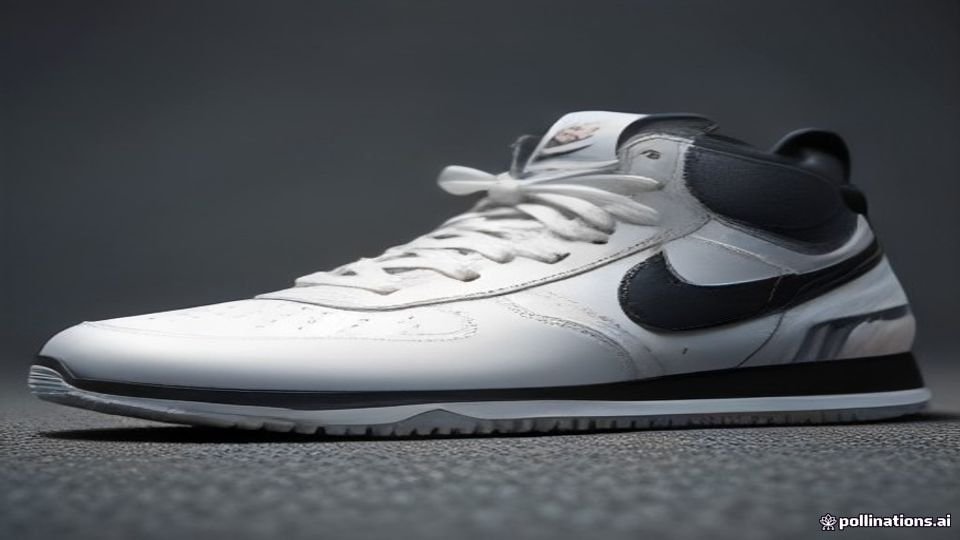
Nike, once among the top 100 U.S. companies, will exit the S&P 100 on September 21 after nearly 18 years on the index, marking a dramatic fall from grace for the athletic apparel giant.

According to Fortune, Nike has lost over $200 billion in market capitalization since its peak of $264 billion in November 2021. The company’s current market value of roughly $57 billion represents a 78% decline, with shares trading around $38 compared to $179.10 at their 2021 high. The stock dropped an additional 36% in 2026 alone.
The exit is driven by a multiyear business deterioration. According to Nike’s investor report, fiscal 2026 revenue fell 2% on a currency-neutral basis to $46.4 billion. Greater China—a critical market—saw sales plummet 17% on a constant-currency basis in the fourth quarter ended May 31, with the company warning that revenue would continue declining into the first half of fiscal 2027.
Nike’s direct-to-consumer business, a strategic priority, also weakened significantly. FY2026 direct-to-consumer revenue dropped 6% to $17.7 billion, while wholesale revenue increased 6% to $27.5 billion. This shift reflects CEO Elliott Hill’s turnaround strategy, which has focused on rebuilding wholesale relationships, reducing excess inventory, and emphasizing performance products.
China presents a particular challenge, with Nike enduring eight consecutive quarters of declining sales. The company is responding by taking greater control over online distribution, including pulling online sales rights from major retail partners. Competition from Chinese brands like Anta and Li Ning, as well as international rivals including Hoka and On, has intensified.
Hill acknowledged the headwinds in Nike’s results: “While we continue to face top-line headwinds, we’re encouraged by progress in performance product and are focused on consistent execution, improved profitability and scaling our wins to realize our full potential.”
Nike will remain in the S&P 500 following the exit from the S&P 100. The departure reflects S&P Dow Jones Indices’ quarterly rebalancing rules designed to keep indexes representative of their market-capitalization ranges. Honeywell Aerospace, Simon Property Group, and Colgate-Palmolive also exit on the same date, replaced by technology sector companies including Dell Technologies, Palo Alto Networks, Arista Networks, and Sandisk.
Key facts
- Nike’s market cap has fallen 78% from its $264 billion peak in November 2021 to approximately $57 billion today
- The company lost 36% of its market value in 2026 alone
- Nike will exit the S&P 100 on September 21 after 18 years on the index
- Greater China sales fell 17% on a constant-currency basis in Q4 fiscal 2026
- Direct-to-consumer revenue declined 6% to $17.7 billion in fiscal 2026
- Nike will remain in the broader S&P 500 index