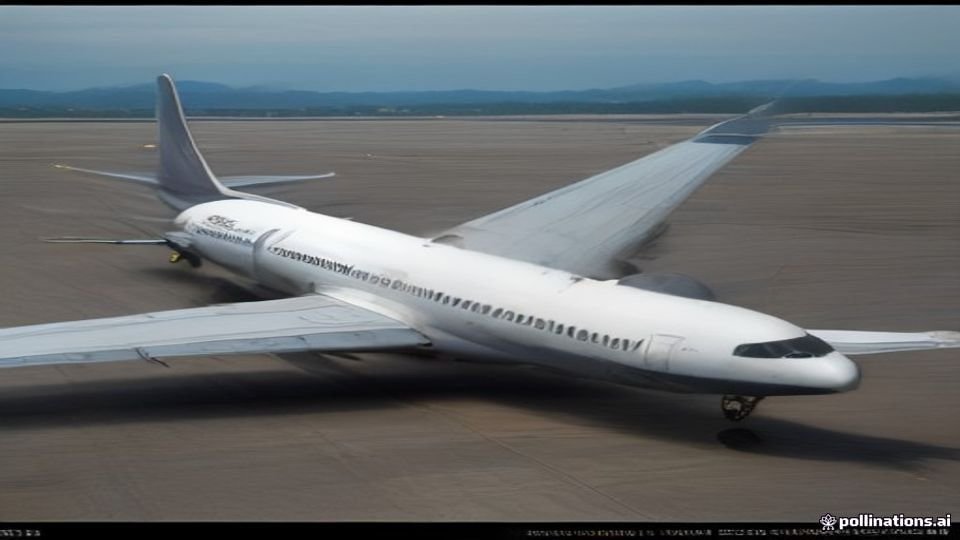
The National Transportation Safety Board released preliminary findings from its investigation into a September 6 runway excursion accident involving a Boeing 767-33A cargo airplane operated by 21 Air Flight 7598 at Miami International Airport.

According to the NTSB, the cockpit voice recorder (CVR) and flight data recorder (FDR) were successfully recovered from the accident site and read out at the NTSB’s Vehicle Recorder Laboratory in Washington, DC. The CVR contained more than 2 hours of audio across four channels, while the FDR contained approximately 54 hours of data recording more than 400 parameters.
Based on the CVR transcript, the flight crew checked in with Miami tower and received clearance to land on runway 30 approximately 4 minutes before the accident. During the approach, one pilot repeatedly cautioned about the aircraft’s excessive speed, according to the preliminary CVR data. The crew received multiple electronic warnings during descent, including “sink rate” callouts at 1 minute 4 seconds and 57 seconds before recording end, as well as four “too low terrain” callouts approximately 48 seconds before touchdown.
According to the FDR data, the nose and right main landing gear touched down at a groundspeed of 158 knots. The left main gear touched down approximately 11 seconds later at 134 knots. Brakes were initially applied at 146 knots groundspeed, then released at 120 knots while throttles were increased to go-around thrust levels. The throttles were subsequently reduced to idle power and brakes reapplied at 117 knots groundspeed.
The FDR data indicated that at 7 seconds before the end of recording, lateral, longitudinal, and vertical acceleration values changed markedly, with groundspeed recorded at 96 knots. The final recorded groundspeed was 65 knots. According to the NTSB, the FDR data showed no indication that speed brakes or thrust reversers were deployed.
The NTSB noted that all times and descriptions are preliminary and subject to change. The agency plans to convene a CVR group at NTSB headquarters to review the accident flight recording and produce a written transcript. The CVR and FDR times have not yet been precisely synchronized.
Key facts
- A Boeing 767-33A cargo airplane operated by 21 Air Flight 7598 experienced a runway excursion on September 6 at Miami International Airport
- The cockpit voice recorder contained more than 2 hours of audio; the flight data recorder contained approximately 54 hours of data recording over 400 parameters
- Flight crew received multiple warnings including sink rate alerts and terrain warnings during approach
- The nose and right main landing gear touched down at 158 knots groundspeed
- One pilot repeatedly cautioned about excessive speed during the approach, according to CVR data
- The aircraft departed the paved surface after touchdown; no speed brakes or thrust reversers were deployed according to FDR data