An OpenAI engineer has been arrested on suspicion of planting audio recording devices in the company’s San Francisco headquarters, according to federal prosecutors. Abdulrahman Alfozan, 35, a Saudi national who joined OpenAI as an engineer in July 2025, was arrested Friday and charged with using or attempting to use a device to intercept oral communications.
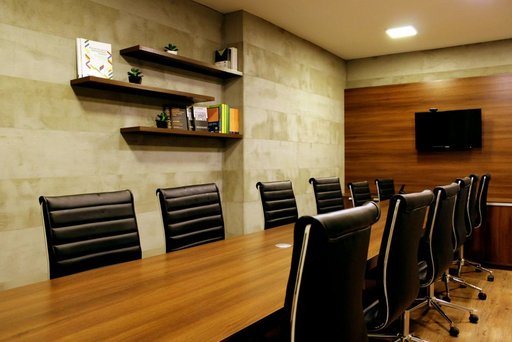
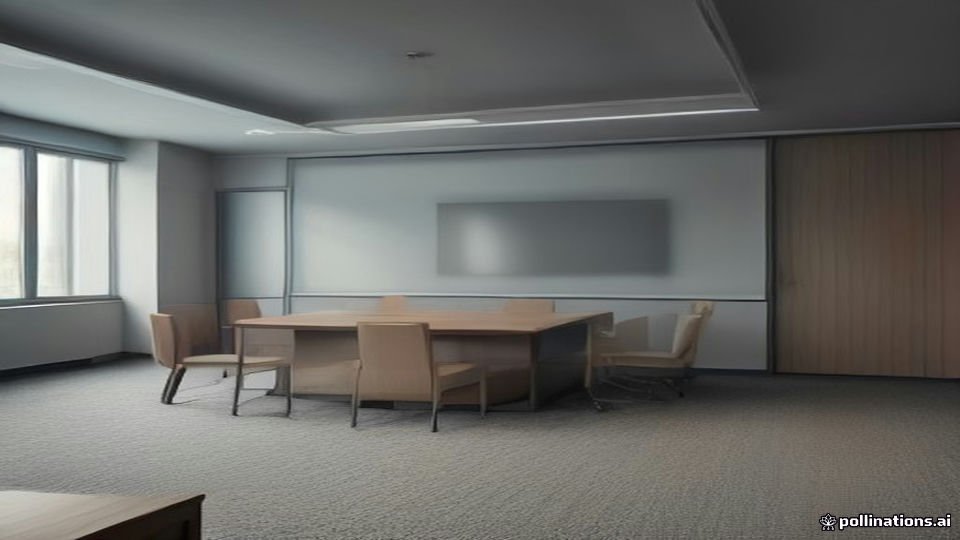
OpenAI personnel discovered the first device on September 30, concealed in toilet paper and plugged into a USB port on the back of a television in an executive conference room. The device had been installed around September 28 and contained encrypted data. Surveillance footage showed Alfozan near the room on multiple dates before discovery, though prosecutors say he was not authorized to enter or attend meetings there. The room regularly hosted meetings involving confidential technical, commercial, and strategic information, including proprietary research and product plans.
Before the device was installed, Alfozan allegedly used a productivity tool to query OpenAI’s building addresses, meeting rooms, room capacities, calendars, and locations of leadership meetings. A chatbot account tied to his spouse’s identity—sharing identifiers with his own account—submitted queries between September 24 and 30 about building, installing, obscuring, and remotely accessing recording devices. Specific searches included how to “build a continuous audio recorder” and “encrypt the SD card,” according to the complaint.
On October 5, Alfozan allegedly entered the conference room and appeared to look behind the television. That same day, he left an unattended bag in a different room containing his wallet, identification, and a second recording device similar to the first. OpenAI said the devices were sophisticated, designed to evade detection, with advanced encryption and data-transfer mechanisms meant to avoid monitoring.
OpenAI said it has no evidence that Alfozan improperly accessed model weights, source code, or customer data. The company’s technical surveillance countermeasures team identified the device and referred the matter to the FBI. OpenAI used its own AI models to determine what the device was and analyze forensic images.
If convicted, Alfozan faces up to five years in prison and a $250,000 fine, followed by three years of supervised release. A detention hearing is scheduled for October 19. The case is being prosecuted by the National Security, Cyber & Special Prosecutions Section of the U.S. attorney’s office for the Northern District of California.
Key facts
- Abdulrahman Alfozan, 35, a Saudi national, was arrested on charges of attempting to intercept oral communications
- A recording device was found concealed in toilet paper and plugged into a TV in an OpenAI executive conference room on September 30
- A second recording device was discovered in an unattended bag Alfozan left in the building on October 5
- Surveillance showed Alfozan near the conference room on multiple dates despite not being authorized to be there
- Prosecutors allege Alfozan used a chatbot account to search for information on building and concealing recording devices before the discovery
- Alfozan faces up to five years in prison and a $250,000 fine if convicted