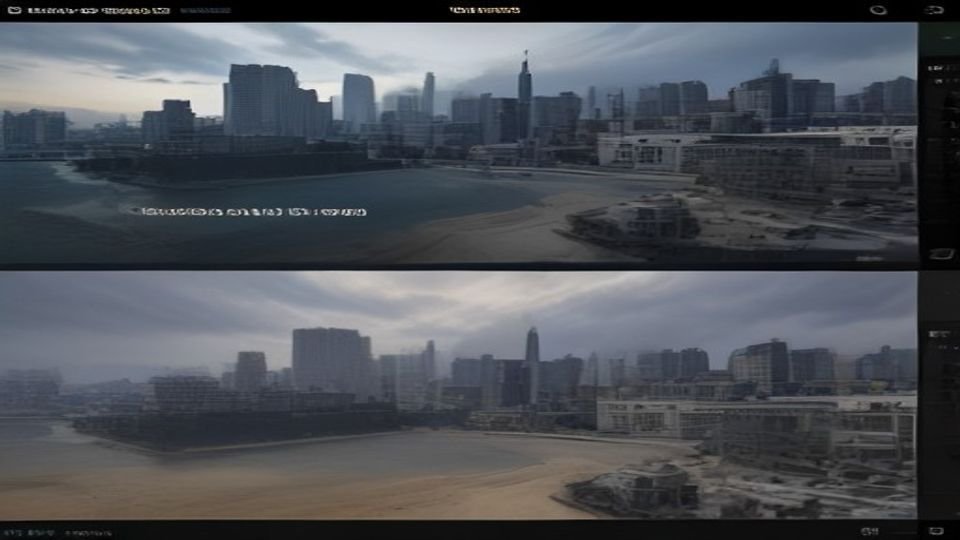
OpenShot 4.0 has launched with significant creative workflow upgrades, according to the project’s official announcement. The update introduces three major feature areas: color grading, screen and audio recording, and AI-powered editing tools.
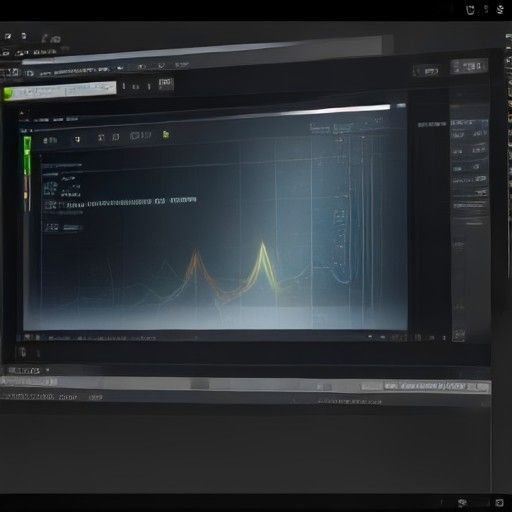
The new Color View provides dedicated color correction and grading within a single effect. Users can start with simple controls for exposure, contrast, temperature, tint, highlights, and shadows, or advance to color wheels for shadows, midtones, and highlights. The Color Grade effect supports industry-standard .cube LUT files with blendable intensity, and includes four editable curves for precise control over the full image and individual red, green, and blue channels. All color adjustments are keyframable, allowing changes over time. The view also includes professional video scopes—Luma Waveform, Histogram, RGB Parade, and Vectorscope—to display actual color and brightness information. Each scope includes a Region tool to focus on specific image areas, and the Vectorscope includes a skin-tone reference line.
The Recording View transforms OpenShot into a capture workspace. Users can record microphone, screen, webcam, and system audio directly into a project, with each source kept separate as its own media file and timeline clip. The tool provides live feedback during recording and can automatically place a webcam in a rounded picture-in-picture layout when combined with screen capture. Users can also preview existing projects while recording voiceover, useful for commentary, reaction videos, or presentations. Recording captures are stored in the project’s assets folder.
OpenShot 4.0 adds ten new effects, including an Audio Visualization effect that transforms sound into animated graphics—waveforms, bars, spectrum displays, particles, and VU-style meters. The update also includes local AI-powered masks using free downloadable models that run on the user’s computer with no cloud service or subscription required, allowing users to select and follow subjects.
Additional improvements include a cleaner native timeline with smoother zooming, easier keyframes, and editable timecode; faster performance for Blur, Sharpen, timeline rendering, and color grading; reorganized menus and presets; and expanded Qt 6 support for newer Linux distributions.
Key facts
- Color Grade effect supports color wheels, curves, LUT files with intensity control, and keyframe animation
- Video scopes include Luma Waveform, Histogram, RGB Parade, and Vectorscope with Region tool focus
- Recording View captures microphone, screen, webcam, and system audio as separate editable sources
- AI-powered masks run locally on user’s computer without cloud services or subscriptions
- Ten new effects added including Audio Visualization that renders above 170 FPS in testing
- Timeline improvements include smoother zooming, easier keyframes, and editable timecode