According to SeaSky, the Orionid meteor shower reaches its peak on the night of Oct. 21‑22. The shower’s particles come from debris left by Halley’s Comet, and observers can expect to see anywhere from three to six meteors per hour under ideal conditions. However, the source notes that the moon will be in its waxing gibbous phase during the peak, which will make the sky considerably bright and could hinder attempts to spot the meteors.
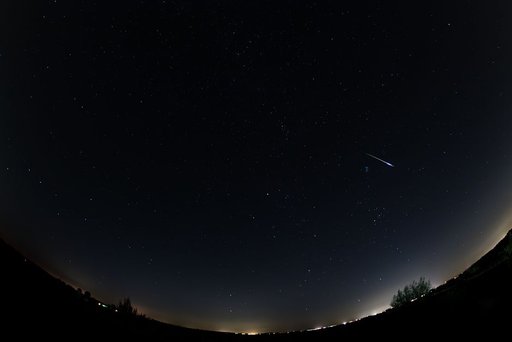
ScienceDaily, cited in the source, explains that the bright moon will interfere with viewing early in the night, but conditions improve after the moon sets. Around 3 a.m., when the moon has dropped below the horizon, the sky darkens enough for better meteor visibility. This timing window is therefore recommended for those hoping to catch the Orionids despite the lunar glare.
The article also places the Orionid shower within a broader context of October sky events. Earlier in the month, the Draconids peaked on Oct. 7, producing about ten meteors per hour and best visible in the early evening. Saturn was at its brightest on Oct. 4, and NASA highlighted the moon’s passage near the Pleiades star cluster on Oct. 27‑28. These events, together with the Orionids, give skywatchers multiple opportunities to observe celestial phenomena throughout October.
While the primary focus of the piece is on the upcoming meteor shower, the source text also recalls Margaret Hamilton, whose contributions to NASA’s Apollo software engineering are mentioned as a tribute to pioneers of space exploration. The brief references her work at MIT, the “Lauren Error” anecdote involving her daughter, and her role in developing the onboard flight software that guided Apollo 11 to the Moon. This historical note is presented as a reminder of the human ingenuity that underpins our ability to observe and understand events like the Orionid shower.
In summary, the Orionid meteor shower offers a modest but authentic display of Halley’s Comet debris, with peak activity on Oct. 21‑22. Lunar brightness will pose a challenge, but the post‑moonset hours around 3 a.m. provide the best chance for observers to see the meteors.