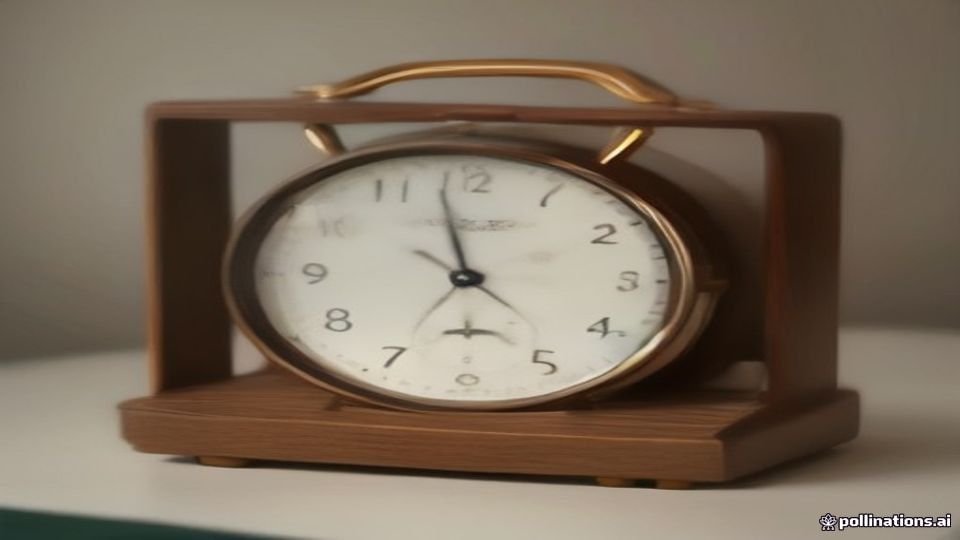
The author of a Substack post explains that weekday mornings with school‑aged children can be chaotic, involving breakfast, backpacks, weather checks, and timing calculations before leaving the house. After becoming frustrated with the limitations of a Yoto player/alarm clock and unwilling to purchase either a basic plastic buzzer or a smart display with always‑on microphones, the parent searched Amazon for a device that would let their daughter set her own alarms and play Spotify without being a smart speaker. Finding no suitable product, they decided to build a clock from scratch using an Adafruit QT Py ESP32‑S3 microcontroller as the brain, a 16x2 character LCD for display, and a single physical rotary knob for navigation. The clock automatically dims its display based on local sunrise and sunset times fetched via a weather API, keeping the room dark at night unless interacted with. To enable Spotify playback without a listening assistant, the author repurposed an old Amazon Echo, physically muting its microphone and changing its wake word to “Ziggy,” allowing the clock to act as a physical Spotify Connect remote that shows track and artist information on the LCD and lets the user skip tracks or adjust volume via the knob. A local web server hosted on the clock’s firmware provides a parent dashboard where users can see a gentle sunrise light that begins ten minutes before the alarm, a ramp‑up chime, and a dismiss‑screen message that reads “YOU ARE AMAZING!” The dashboard also displays the day’s weather, agenda, and a live school‑bus countdown, giving the child visibility over her morning routine. Additionally, the clock checks the family’s school district calendar, silencing alarms on holidays, teacher‑in‑service days, or snow days. For homework or bedtime, a timer mode shows a visual progress bar, and a night‑mode setting dims room lights to a 15% lavender glow and turns off music after the child falls asleep. The author reports that mornings shifted from a series of wake‑up warnings and stairwell checks to a more autonomous rhythm, with the daughter managing her own forecast, bus schedule, and morning tasks. The project required weekend coding, several APIs, a 3D‑printed enclosure, and hot‑glue assembly. Seeing interest from friends, the author is considering releasing a full DIY guide or pursuing a Kickstarter campaign if demand warrants it.