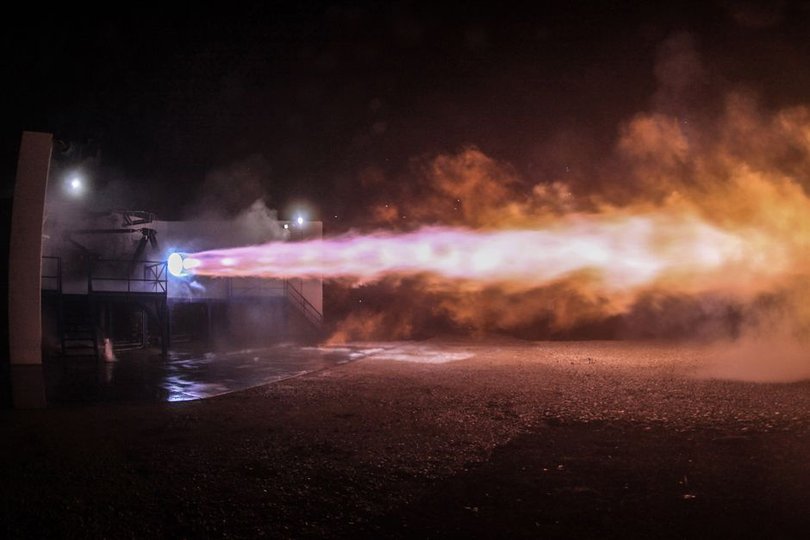
The Pentagon has granted the Department of Homeland Security permission to test a military-grade heat ray weapon and develop operational tactics for potential use at the southern US border, according to a memo signed by Defense Secretary Pete Hegseth last month and obtained by CNN.
The weapon, officially called the Active Denial System (ADS), is a nonlethal device that emits an invisible beam of electromagnetic waves capable of reaching slightly more than half a mile away. When the energy beam contacts human skin, it produces a burning sensation that Pentagon officials have compared to the feeling of opening a hot oven door. Military officials report the resulting “tingling effect” lasts 10 to 15 minutes and generates “an instinctive and irresistible urge to run from the effect.”
According to the memo, DHS will receive a temporary loan of one ADS system for seven months beginning in September. The authorization states the system “shall not be operated by DoW (Department of War) personnel,” which appears to place responsibility for deployment decisions solely on DHS. The department is responsible for “system employment, use and development of tactics, techniques and procedures.” At the end of the seven-month period, DHS can request additional authorization for continued border use based on operational need, a defense official told CNN.
Deploying the heat ray at the border would represent an unprecedented step. Internal discussions among Customs and Border Protection officials have explored using the system for crowd dispersal along the US-Mexico border, though the DHS request did not specify testing locations or deployment methods.
Historically, the system has faced significant obstacles to deployment. The US military briefly deployed it to Afghanistan nearly two decades ago but declined to use it in active combat operations. Previous considerations for crowd control at US facilities housing terrorist detainees were also abandoned.
When CBP officials previously evaluated the system at the El Centro sector—which covers approximately 70 miles of border—concerns centered on legality, effectiveness, and potential indirect harm. Officials worried about scenarios where people forced away from crossing points might drown in nearby waters. In 2018, then-Homeland Security Secretary Kirstjen Nielsen rejected a proposal to use the weapon against migrants, citing concerns about treating immigrants as “enemy combatants” and citing inhumane treatment.
A CBP spokesperson stated the agency “is continually evaluating new technologies, especially those that enhance operational effectiveness and strengthen mission capabilities.” Some Border Patrol agents have recently questioned the necessity of the tool amid lower border crossings and increased personnel levels.
Key facts
- The Pentagon authorized a seven-month loan of the Active Denial System to DHS for border testing
- The ADS shoots electromagnetic waves reaching slightly more than half a mile and causes a burning sensation lasting 10-15 minutes
- DHS holds sole responsibility for system deployment and operational procedures under the memo
- Previous CBP evaluations raised concerns about legality, effectiveness, safety, and potential harm to migrants
- The US military previously deployed the system in Afghanistan but declined to use it in combat operations