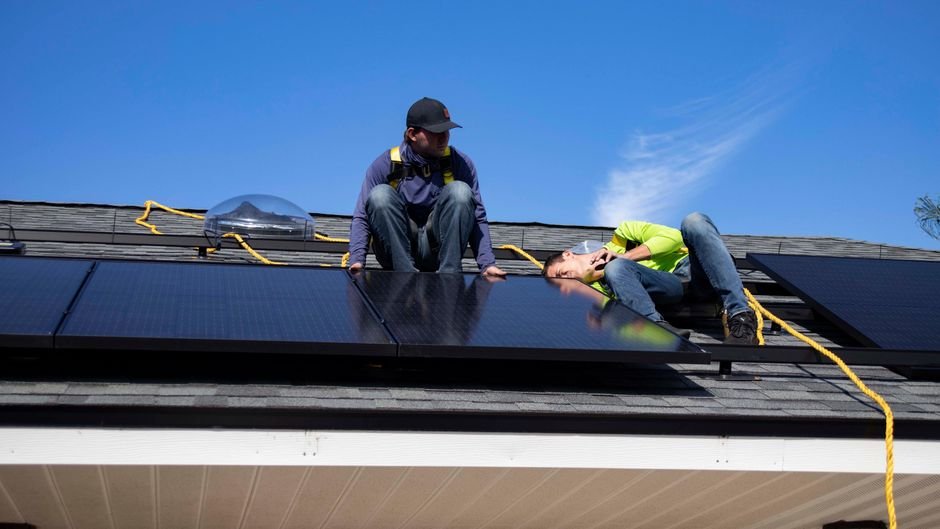
The article explains that plug‑in solar, also called balcony solar, lets users connect one to three small photovoltaic panels to a standard wall outlet through an inverter, sending the generated electricity to other circuits in the home. Utah was the first state to legalize the technology in spring 2025, and since then Colorado, Connecticut, Maine, Maryland, New Hampshire, New Jersey, Vermont, Virginia and California have enacted similar measures, while New York’s legislature has approved a bill awaiting the governor’s signature and nearly two dozen other states have introduced proposals.
Because the systems stay below the wattage limits set by the laws, they typically produce enough power for laptops, lights and some appliances, contributing an estimated 10 to 30 percent of an average household’s electricity use, according to Jennifer Eden of Utah Clean Energy. The article notes that the electricity generated remains inside the home rather than being exported to the grid, and that users can reduce the amount of power they purchase from utilities that rely on fossil‑fuel plants.
Joshua Pearce, an electrical engineer at Western University in Ontario, is quoted as saying the appeal lies in being able to make one’s own electricity for less than buying it from a utility, a benefit he describes as universal for Americans. He also estimates that widespread adoption could save residents about $13 billion a year in electricity costs, a figure he says is higher now that electric rates have risen.
The piece highlights real‑world examples. Nick Danz, who lives in a two‑bedroom apartment in Fort Collins, Colorado, bought a one‑panel plug‑in system for under $300 from the California‑based nonprofit Bright Saver after his state passed its legislation. He initially experienced circuit‑breaker trips, but a different inverter resolved the issue, and he estimates he has saved more than $300 on his power bills since August. When he is away working as a train conductor, the panel powers his standby loads.
In Utah, Andrew Leon and Victoria Mauro installed three panels on their lawn, but a local zoning officer told them city rules prohibited the placement; the panels remain while they work with the zoning board to seek a change. The couple says they have shaved nearly $100 off their typically low Utah electric bills since May and value the environmental benefit of avoiding greenhouse‑gas emissions.
The article also addresses safety concerns. Pearce states that no microinverters sold in the United States are capable of sending power back to the grid in a way that could electrocute utility workers. UL Solutions has established safety standards for plug‑in solar and has certified at least one manufacturer. He adds that fears about wall‑socket power causing fires in old homes have not materialized in Europe, where the technology is widespread, and that British government testing found no direct electrical hazard, although some units showed minor issues such as delayed circuit‑breaker tripping under stress.
Finally, the piece notes that plug‑in solar has been popular in Europe for years, with IKEA selling kits in Germany where more than a million units have been installed recently, and that as more U.S. states approve the technology and products become available, Pearce predicts the market will “take off like hotcakes.”