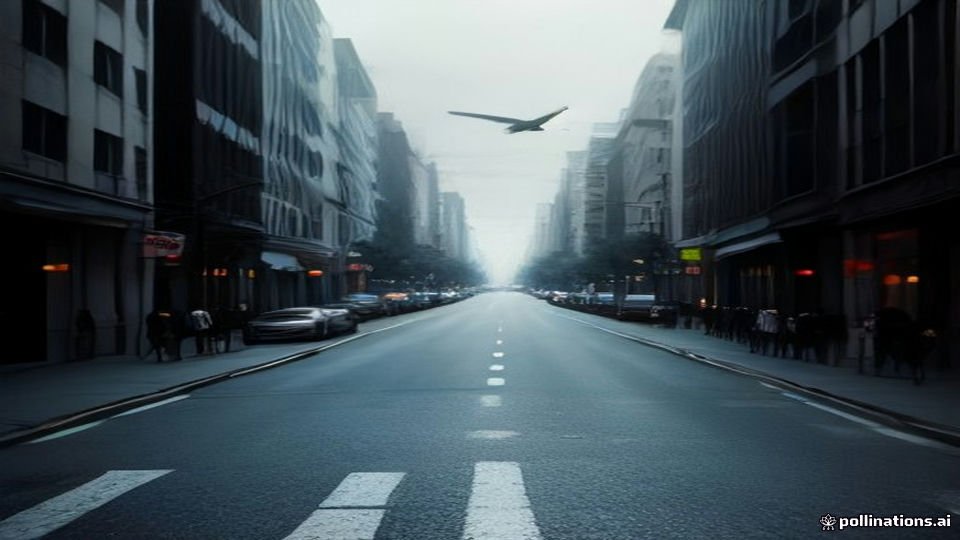
When two cyclists died in hit-and-run collisions in summer 2016, a group of anonymous urban activists known as the San Francisco Transformation Agency (SFMTrA) took action. The organization, described as “a collective organization of men and women committed to making streets safer for cyclists and pedestrians, and doing it quickly,” first erected protected bike lanes using traffic cones—a common guerrilla urbanism tactic.
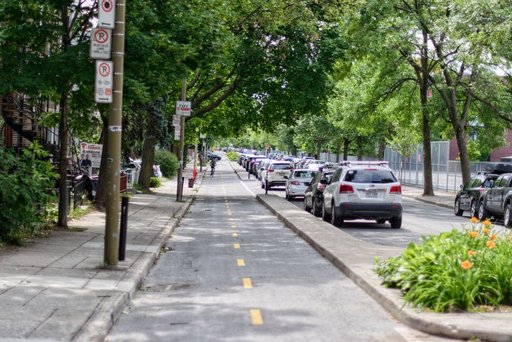
Guerrilla interventions typically remain temporary, raising awareness before municipal authorities remove them. But when SFMTrA illegally installed soft-hit posts (also called safe hit posts) alongside Golden Gate Park’s John F. Kennedy Drive, San Francisco’s response differed markedly. Rather than simply removing the installation, city officials announced plans to make it permanent.
According to the San Francisco Municipal Transportation Agency (SFMTA), the organization uses tactical urbanism to “provide a real safety increase for cyclists and pedestrians,” draw attention to unsafe areas, and pressure officials into “proactive, rapid and substantive improvements in street safety.”
The city’s initial statement emphasized that removing unauthorized roadway objects is standard procedure due to code violations and potential traffic conflicts. However, in this case, officials committed to installing official safe hit posts and leaving the temporary ones in place during their review process.
San Francisco’s openness to the change may reflect the robustness of the posts themselves. Earlier guerrilla interventions using orange traffic cones, while visually attention-grabbing, were easily damaged and impermanent. The more durable soft-hit posts apparently made a stronger case for retention.
Other cities have experienced mixed results with similar guerrilla infrastructure. In Seattle, the group Reasonably Polite Seattleites installed delineators that were initially removed. However, Seattle’s Department of Transportation eventually agreed to reinstall them, with traffic engineer Dongho Chang acknowledging the group’s time and investment. In New York City, the group Right of Way painted illegal bike lanes after a community board rejected expansion plans, citing a collision that injured a pedestrian.
According to the source article, these guerrilla interventions provoke varied responses: some tactical urbanists face legal consequences while others gain community support. San Francisco, which had already built 27 miles of protected bike lanes, appeared to signal openness to this direction of change.
Key facts
- The San Francisco Transformation Agency installed protected bike lanes and soft-hit posts without official authorization following two cyclist deaths
- City officials decided to make the Golden Gate Park installation permanent rather than removing it as usual
- Soft-hit posts proved more persuasive to city officials than temporary orange traffic cones
- Similar guerrilla bike lane efforts in Seattle and New York City received mixed official responses
- San Francisco had built 27 miles of protected bike lanes prior to this 2016 incident