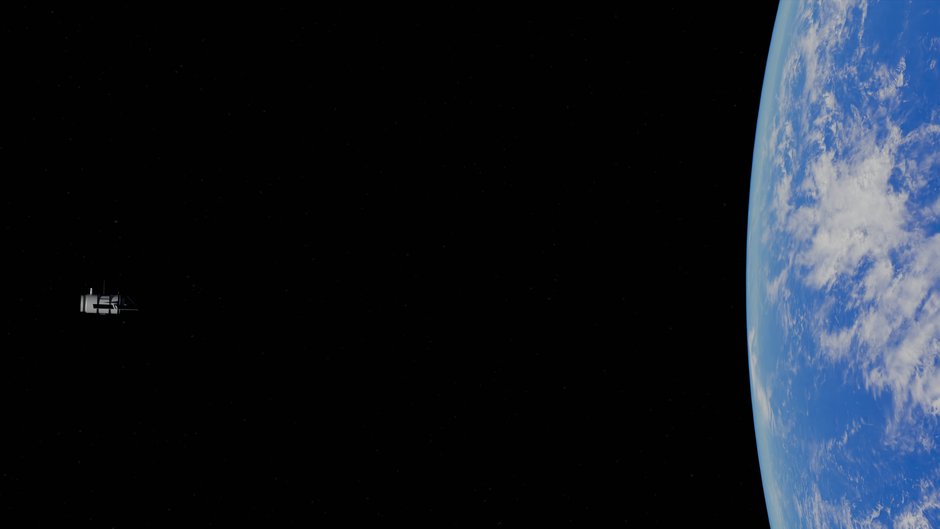
Source material for this item consists primarily of interface labels and control instructions from a Russian-language website (space.bl2.net), rather than descriptive text about the project’s features, data sources, or scale claims.
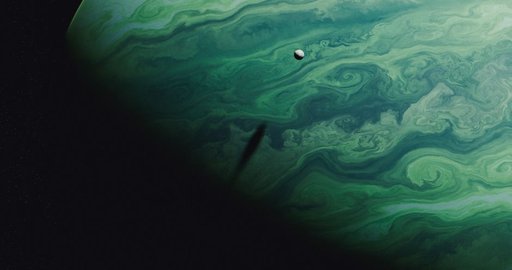
The available text shows navigation controls such as dragging to rotate, scrolling to zoom, clicking for object cards and orbits, and double-clicking to fly to a celestial body. It also references keyboard controls (WASD for flight, R/F for altitude, Q/E and arrow keys for rotation, Shift to speed up), a toggle between Earth view and full system view, a UTC time selector, and a data refresh function.
The trend term describes the project as featuring 526,000 asteroids and “all tracked satellites,” but the source text provided does not confirm these figures or describe the underlying data sources, update frequency, or methodology used to track objects. Without additional descriptive text, press materials, or documentation from the site confirming these specific claims, they cannot be independently verified from the text supplied.
Given the limited nature of the source material, this brief is being flagged as having insufficient sourcing to support a full news item.
Key facts
- Source text consists mainly of UI labels and control instructions for a 3D space visualization site (space.bl2.net)
- The site includes toggles for Earth-centered and full-system views, plus a UTC-based time control
- Numerical claims about 526,000 asteroids and satellite tracking are not confirmed in the provided source text