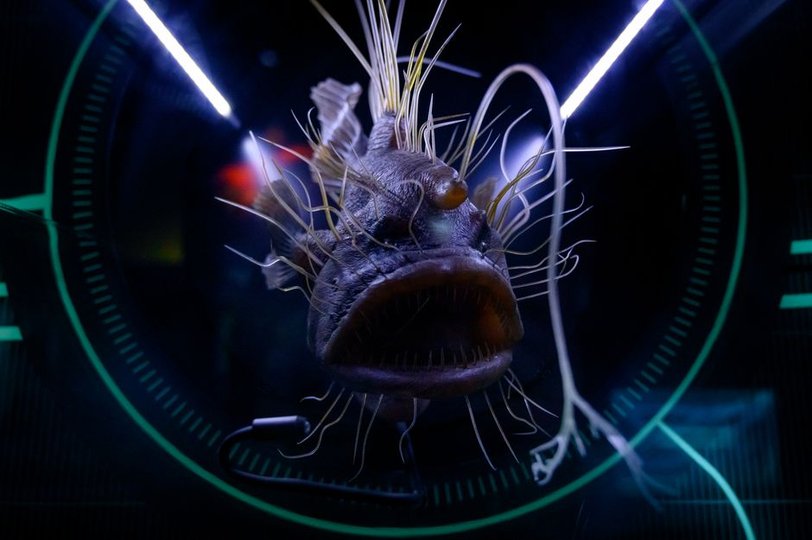
Sixteen years after the Deepwater Horizon explosion released more than 4 million barrels of oil into the Gulf of Mexico, deep-sea ecosystems remain largely unrecovered, according to new research published in the Proceedings of the National Academy of Sciences.
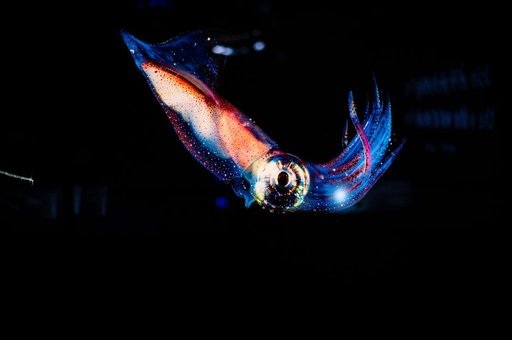
The study examined populations in the ocean layer extending from approximately 600 feet deep to more than two miles down. Researchers used acoustic surveys and thousands of netted samples across a broad swath of the Gulf of Mexico to assess recovery. Their findings revealed that populations of octopus, squid, krill, shrimp, and lanternfish declined by at least 60 percent in the first few years after the 2010 disaster. Researchers described these losses as “the fastest and most severe” decline of animal life in that deep-ocean zone.
While the researchers stopped short of definitively concluding that the oil spill caused the declines, they characterized it as “the most parsimonious explanation.” Since the disaster, scientists have detected oil-related compounds in the flesh of squid and octopus and in fish eggs deep underwater. According to the study, such contamination can impair reproduction and development or lead to early death. The lingering pollution may also hinder deep-sea fish that rely on their sense of smell to locate mates.
Beyond population declines, the study uncovered some losses in genetic diversity among affected species. Researchers warn that reduced genetic diversity poses a risk: populations may not possess the genetic traits necessary to survive in a rapidly changing world. This genetic erosion could further limit the resilience of deep-sea ecosystems facing additional environmental pressures.
The findings underscore the persistent impact of the Deepwater Horizon disaster on marine life in the Gulf of Mexico and highlight concerns about the long-term recovery trajectory of deep-sea ecosystems.
Key facts
- Populations of octopus, squid, krill, shrimp, and lanternfish declined by at least 60 percent after the 2010 Deepwater Horizon spill
- The Deepwater Horizon explosion released more than 4 million barrels of oil into the Gulf of Mexico
- Oil-related compounds have been found in squid, octopus, and fish eggs deep underwater
- Contamination can impair reproduction and development or cause early death
- The study found some declines in genetic diversity among affected populations
- The deep-sea layer studied extends from about 600 feet to more than two miles deep