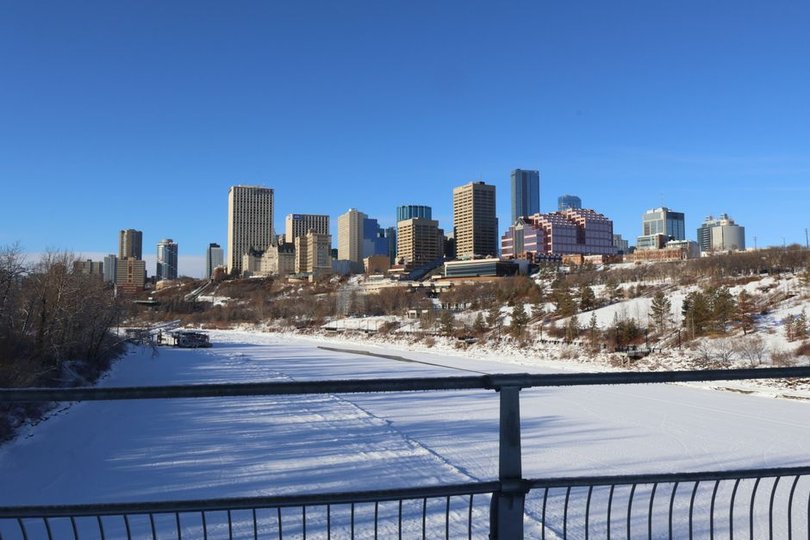
A strong El Niño is developing that could bring milder winter conditions to Saskatchewan and the Canadian Prairies, according to Golden West Commentator Jenny Hagan.
El Niño influences weather patterns globally, including temperatures and precipitation across Canada. “Typically they’re milder winters with warmer temperatures, not a huge amount of snowfall,” Hagan said, adding that many days may reach above-freezing temperatures.
However, a warmer winter does not guarantee the province will avoid significant snowstorms. “Some years we can see a lot of heavy moisture with El Niño years, big snowfall systems, but it’s the heavy wet snow,” Hagan noted, citing 2020 as an example when several major snowfall systems moved through the province.
Warmer temperatures can also increase fog risk in the region. The combination of warmer ground temperatures and cooler air above creates conditions conducive to thick fog, Hagan explained.
Despite the generally milder outlook, January and February typically remain the coldest months, with temperatures potentially dipping into the minus 30s or even minus 40 range. “So that’s not out of the books that we will have swings down into our minus 30s, but generally we’re going to see a warm up,” Hagan said.
The fluctuating temperatures pose particular hazards for drivers. When temperatures hover around the freezing mark, snowfall can melt before refreezing when temperatures drop slightly below zero, creating icy conditions.
Saskatchewan’s weather patterns remain variable year to year. The position of the jet stream plays a critical role in determining whether warmer southern air moves north or colder Arctic air pushes south. “We can also get, the polar vortex where those cold air swoop in from our northern regions, causing those extreme deep freezes,” Hagan said.
Historical records demonstrate significant variability. In Weyburn, the November temperature record is 24 degrees (set in 1999), while the November record low is minus 34 degrees (recorded November 19, 1974).
While a generally warmer winter is expected, Hagan advised residents to prepare for periods of extreme cold, significant snowfall, and changing road conditions throughout the season.
Key facts
- A strong El Niño is developing, which typically brings warmer-than-normal winter temperatures to the Canadian Prairies
- Warmer winters with El Niño can still feature significant snowfall, particularly heavy wet snow
- January and February remain the coldest months, with possible temperatures in the minus 30s to minus 40 range
- The jet stream position determines whether warm southern air or cold Arctic air dominates the region
- Temperature fluctuations around freezing can create hazardous icy road conditions