New research published in Environmental Health Perspectives has identified at least 485 chemicals used in US pesticide products linked to breast cancer, according to a peer-reviewed study highlighted by public health advocates as revealing significant gaps in pesticide regulation.
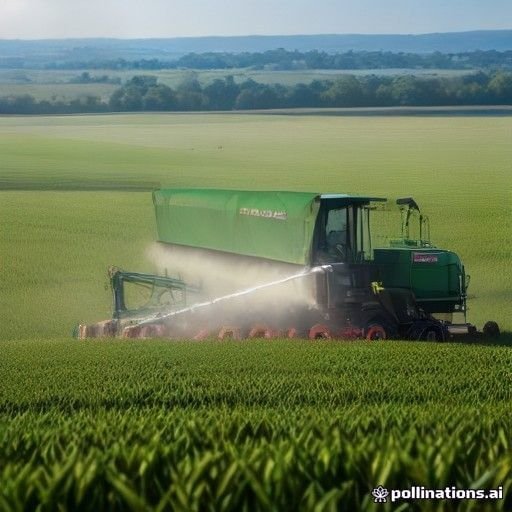
The chemicals are not limited to agricultural applications. They appear in products used directly on people, including lice treatments applied to children’s scalps, as well as in home lawn fertilizers and flea and tick treatments. According to Jenny Kay, a report co-author with the Silent Spring Institute non-profit, the cumulative exposure to these chemicals across different products is concerning.
A major regulatory gap involves so-called “inert” or inactive ingredients, which typically do not undergo thorough safety reviews. The Environmental Protection Agency (EPA) only evaluates each pesticide ingredient’s individual health risks and does not assess the entire pesticide formula or exposure to multiple pesticides simultaneously. Of the 485 chemicals identified, only about 145 were registered with the EPA as active ingredients, suggesting the chemical industry may be using inert status to avoid health scrutiny.
Kay explained that inert ingredients are “not biologically inert” but rather called inert because they do not target the pest. The body does not distinguish between inert and active ingredients, meaning inactive substances pose risks equal to active ones. The EPA rejected a legal petition in 2023 to implement more stringent review of inert ingredients.
Federal health data from the National Health and Nutrition Examination Survey (NHANES) shows 84 of these breast cancer-linked chemicals are present in the general population, though scientists note this is an undercount since it does not track most of the compounds identified in the study.
Breast cancer is the most commonly diagnosed cancer in the US. According to the American Cancer Society, incidence rates have increased by 1% per year overall, with slightly faster increases in women younger than 50 at 1.4% annually.
The Silent Spring Institute called for expansion of California’s Proposition 65, which requires warnings for chemicals known to cause cancer or reproductive harm. The study identified 16 pesticides not currently listed under Prop 65. The institute also conducted broader research identifying approximately 500 breast cancer-linked chemicals in common consumer goods and 462 in drinking water.
Concerns about EPA oversight include the presence of former industry lobbyists in top EPA pesticide and chemical safety positions, which Kay said raises questions about industry influence on chemical regulation.
Key facts
- A peer-reviewed study identified 485 chemicals in US pesticide products linked to breast cancer
- Of these chemicals, only 145 are registered as active ingredients; the rest are largely unreviewed inert ingredients
- The chemicals appear in agricultural pesticides, lice treatments, lawn fertilizers, and flea and tick treatments
- Federal data shows 84 of these chemicals are present in the general population
- Breast cancer incidence in the US has increased 1% annually overall and 1.4% annually in women under 50
- The EPA evaluates only individual ingredient risks, not entire formulas or multiple chemical exposures