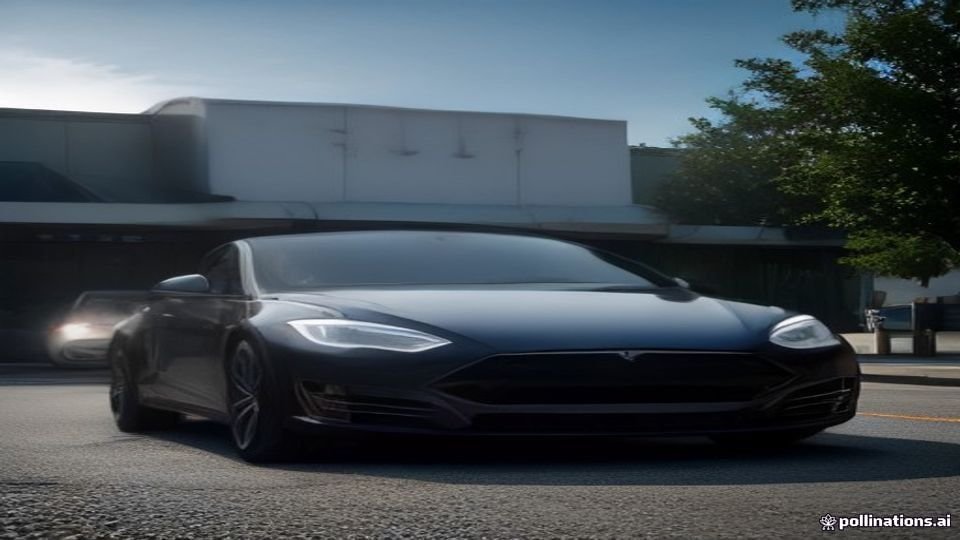
Tesla has secured $30 billion in credit facilities from Citi and Wells Fargo, according to a regulatory filing, as the company faces mounting pressure from declining profitability and escalating capital spending.
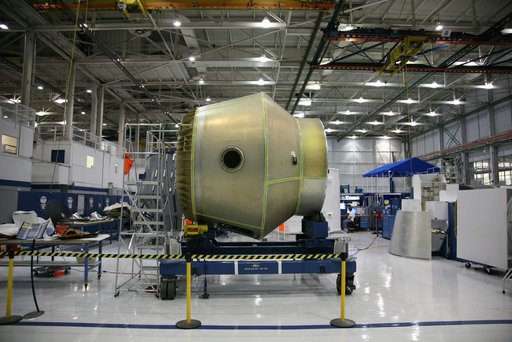
The loans, which carry terms between one and five years, replace a previous $5 billion credit line. According to the filing, Tesla does not expect to draw from the credit line in 2026, though the company has substantial spending plans ahead.
Tesla’s financial trajectory has shifted markedly in recent years. For its first 15 years of operation, the company experienced consistent revenue growth. That changed in 2024, when sales dropped 1% after 37% growth in 2023. Since then, profitability has deteriorated, with the company relying on one-time gains to maintain positive earnings.
Capital expenditures have become a significant drain on finances. CapEx more than doubled in the last quarter, and Tesla projects $25 billion in capital spending for 2026, up sharply from $8.5 billion in 2025. Analysts expect similar spending levels in 2027. These investments fund various initiatives including autonomous vehicles without steering wheels and other experimental projects with uncertain revenue timelines.
The credit facility is substantial relative to Tesla’s current financial position. The $30 billion is equivalent to roughly one quarter of Tesla’s current revenues but dwarfs the company’s recent profits, which have been in the low hundreds of millions.
Most concerning for investors, Tesla experienced negative cash flow last quarter for the first time since Q1 2024, marking a significant reversal from years of positive cash generation. This occurred despite Tesla holding approximately $43 billion in cash reserves as of its last quarterly report.
The company has limited revenue generation to show for its increased capital investments thus far. Three products rolling out this month were announced a decade ago in various forms: the Cybercab remains non-functional, the Semi has experienced slow production ramps, and the Roadster appears primarily designed to generate investor enthusiasm.
Tesla’s decision to secure external financing despite substantial cash reserves signals management’s assessment that significant capital will be required to fund its pipeline of future products and ventures, the success and timeline of which remain uncertain.
Key facts
- Tesla secured $30 billion in credit facilities from Citi and Wells Fargo with terms of one to five years
- Capital expenditures more than doubled last quarter, with $25 billion projected for 2026 versus $8.5 billion in 2025
- Tesla experienced negative cash flow last quarter for the first time since Q1 2024
- Sales dropped 1% in 2024 after 37% growth in 2023
- The company holds approximately $43 billion in cash despite securing the new credit line