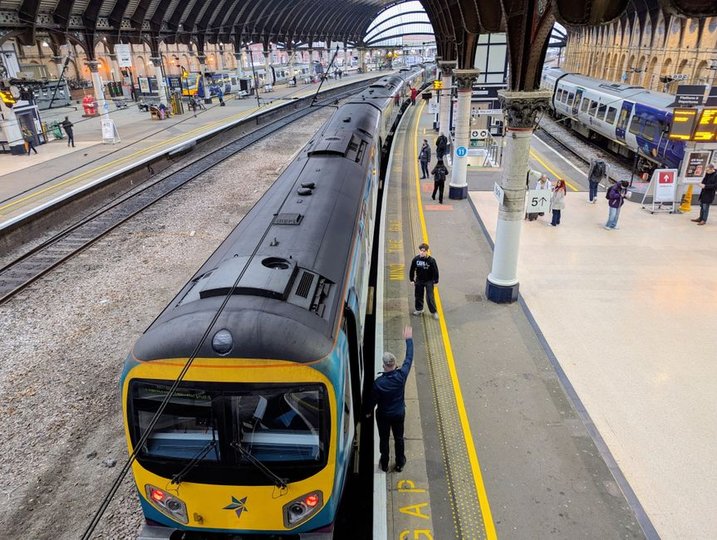
A six-month trial of live facial recognition technology in London’s railway stations cost more than £320,000 and consumed nearly 100 hours of police officer time while yielding no arrests, according to a freedom of information document obtained by Liberty Investigates and shared with the Guardian.
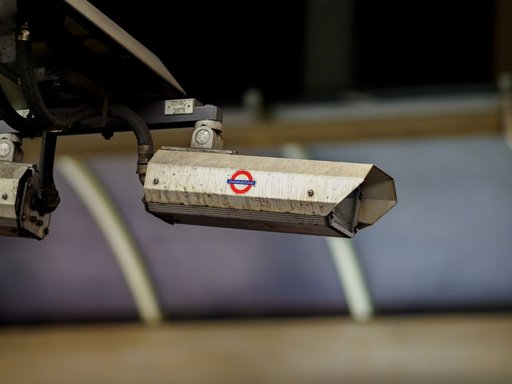
The British Transport Police deployed the surveillance system across 18 locations at some of the capital’s busiest transport hubs between February and July, scanning more than half a million faces. The trial aimed to identify offenders and people breaching court orders.
Despite the scale of the operation, the technology produced only one alert matching against a watchlist of suspects—which turned out to be a false positive, an incorrect identification.
Last month, BTP announced plans to extend the trial for four additional months and expand deployments to London Underground stations. According to BTP, the extended trial has since generated three alerts of people confirmed to be complying with sexual harm prevention orders and other court conditions.
The technology processes “special category personal data” and has drawn scrutiny from oversight bodies. Fraser Sampson, a former UK biometrics and surveillance camera commissioner now serving as non-executive director of Facewatch, a company operating facial recognition systems in retail settings, noted that police must demonstrate the technology’s use is proportionate.
“Success in a shop means no such people coming in,” Sampson told the Guardian. “Success for the police trying to catch people means people being caught. In that respect the trial doesn’t appear to have been very fruitful.”
Sampson emphasized that the technology only identifies individuals already on police watchlists and does not retain images of others in the same way as standard CCTV cameras.
BTP stated that officers made several arrests during deployments for assault, theft, possession of an offensive weapon, breach of criminal behaviour orders, and public order offences, though none resulted directly from an LFR alert and are therefore not included in LFR performance metrics.
The trial comes as more than half of police forces in England and Wales have deployed live facial recognition on British streets, according to Liberty Investigates analysis. The Metropolitan Police and London’s mayor announced plans this summer to install fixed LFR cameras in London’s West End, with Mayor Sadiq Khan confirming use on the newly pedestrianized Oxford Street.
Parliament’s joint committee on human rights recently identified the rollout of live facial recognition as “a particularly clear example of risk” to human rights. Labour MP Bell Ribeiro-Addy called for the government to suspend the technology’s expansion pending stronger safeguards and a legal framework.
Key facts
- The trial scanned over 500,000 faces across 18 London railway station deployments over six months
- Cost £320,786 in equipment hire and police staffing for one false positive match and zero direct arrests
- BTP is extending the trial for four more months and expanding to London Underground stations
- More than half of police forces in England and Wales have now deployed live facial recognition technology
- Parliament’s joint committee on human rights identified LFR rollout as a clear human rights risk