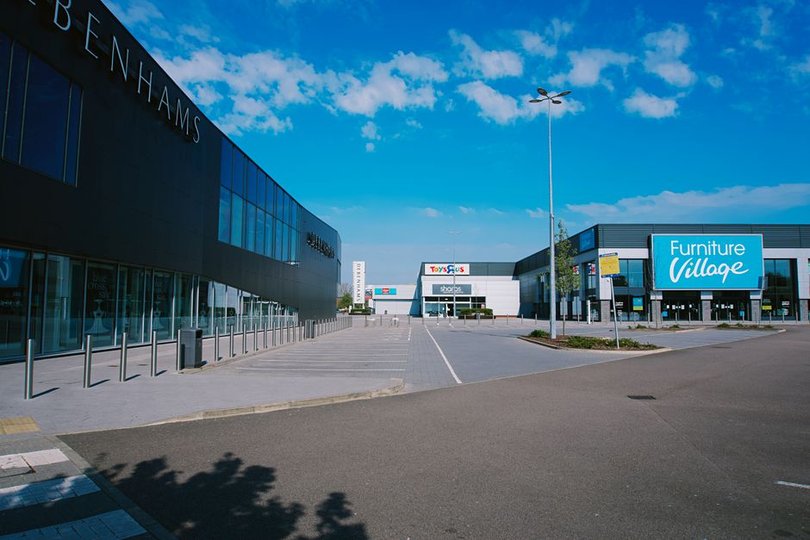
Almost 40 years after Parkgate Retail World opened in Rotherham in 1987 as the UK’s largest open-air shopping centre, the trajectory of Britain’s high streets tells a story of sustained decline. Today, nearly half of Britons don’t visit their high street weekly, according to reporting on retail behavior, instead gravitating toward retail parks and out-of-town shopping centres.
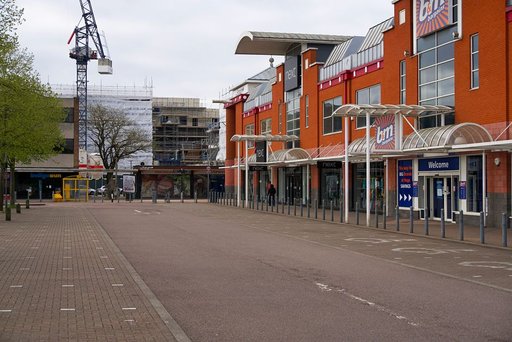
The numbers reflect this shift starkly. By the end of 2025, only 4.8% of retail park lots in Britain were vacant—the lowest level on record, according to real estate consultancy Knight Frank. In contrast, UK high streets face a 13% vacancy rate, reports Savills. Rotherham town centre is particularly affected, with about 70 retail units—24% of the total—standing empty, far higher than the national average.
Residents describe the transformation bluntly. Jo Hill, 59, a semi-retired Rotherham local, observed: “What you see is either vape shops, nail shops or charity shops.” The town centre, sandwiched between Parkgate and Meadowhall—one of the UK’s largest indoor shopping centres—has become a destination locals actively avoid. Shop owners report devastating impacts. Donna, who runs a furniture shop, now serves about four or five customers daily with takings described as “virtually nothing.” Saj, who operates a sandwich deli, confirms footfall is nonexistent.
Multiple factors drive the exodus. Safety concerns rank prominently. In 2023, a government analysis found the number of crimes per 1,000 people in Rotherham town was 160, 72% higher than the national average. Recent police data showed 1,105 crimes recorded in central Rotherham in August alone, including 356 violent and sexual offences. Shop owners report drug use, theft, and intimidation affecting both their business and customer willingness to visit.
Parking economics also play a role. Parkgate advertises “over 2,000 free parking spaces” in one concentrated area. Within Rotherham town centre, 1,610 spaces exist, though most require payment. The council reduced long-stay charges from £6.50 to £3.50 daily in 2016 and introduced one hour free weekday parking, but retailers say this remains insufficient.
Car ownership has soared since Parkgate’s 1987 opening. In 1971, 52% of British households owned a car; by 2022, nearly three-quarters did. This shift has fundamentally altered shopping patterns.
One bright spot emerged when Yella Brick Road, a clothing and homewares shop operating in the town centre for 17 years, reversed a closure decision after loyal customers rallied support. Owner Dannii Paston attributed recent challenges to cautious consumer spending on non-essentials, but also noted that Primark’s relocation to Parkgate drew away customers who previously combined shopping trips. The warehouse-sized retailers at out-of-town parks offer selection that small high-street shops cannot match, she explained.
Key facts
- Nearly half of Britons don’t visit their high street weekly
- Retail park vacancy rate hit a record low of 4.8% by end of 2025, while high street vacancy stands at 13%
- Rotherham town centre has 24% vacancy rate, with dominant vape shops, nail salons, and charity stores
- Crime in Rotherham town was 72% higher than national average in 2023, with 1,105 crimes recorded in August alone
- Parkgate offers 2,000 free parking spaces versus paid parking in town centre