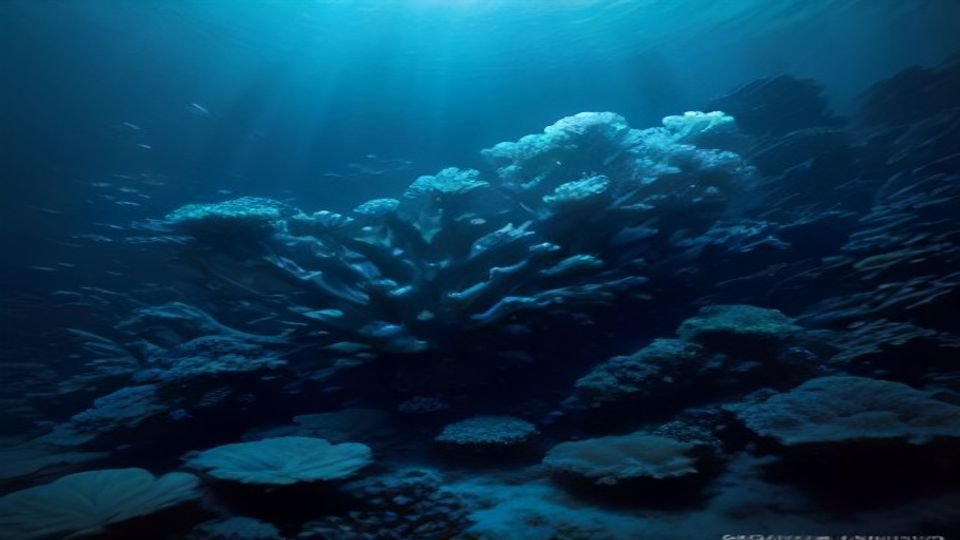
Fishers operating off the coast of Sulawesi, Indonesia, are detonating more than 8,000 underwater explosives each year, according to researchers from the Zoological Society of London. The practice, known as blast fishing, uses plastic bottles packed with explosives to stun and kill marine life within a 90-foot radius—and is devastating the region’s coral ecosystems.
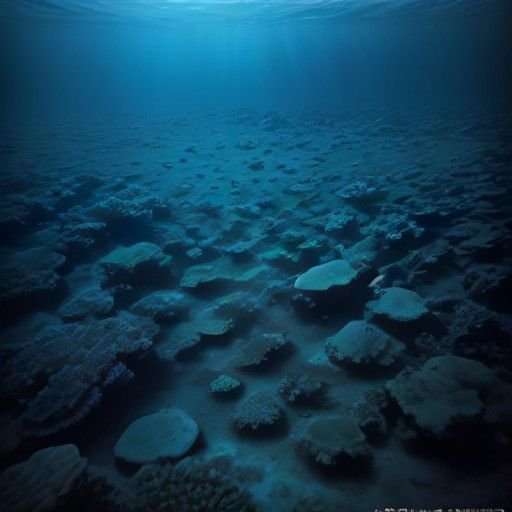
The Coral Triangle, nicknamed the “Amazon of the Seas,” is the world’s most biologically diverse marine ecosystem. But underwater microphones anchored off Indonesia’s Spermonde Archipelago captured over 3,500 explosions in just 3,600 hours of recording, revealing the scale of destruction.
According to Ben Williams, lead author of the research, “bomb fishing is quite likely the leading cause of reef loss in this area.” A single bomb destroys approximately 200 square feet of coral. With detonations occurring roughly once every 62 minutes within a 350-square-mile area, the equivalent of three football fields of reef are destroyed annually.
The researchers used underwater audio recorders anchored to the seafloor and artificial intelligence software to detect detonations. Each suspected explosion was manually verified to distinguish bomb blasts from other underwater sounds. Because sound travels over four times faster through water than air, the team could detect detonations from over 10 miles away.
The data revealed that bomb fishing occurs year-round, peaks in the mornings, and significantly reduces on Fridays, the local day of prayer. An estimated 75 percent of coral has been lost in the Spermonde Archipelago since 1990 due to blast fishing, bleaching, and warming waters.
Blast fishing is globally banned and has been documented in at least 34 countries, from Lebanon and Libya to Brazil and Ecuador. The practice kills indiscriminately—fish identifiable by ruptured internal organs and burst swim bladders are sold at local markets, while the broader marine ecosystem suffers devastating collateral damage.
According to Melissa Hampton-Smith, a postdoctoral researcher at James Cook University, “repeated blasts create shifting fields of rubble that prevent hard coral recruits from settling and growing, making natural regeneration and recovery of the reefs a difficult or impossible task.”
The incentives for blast fishing are often misattributed to poverty alone, but experts note the cost of boats, bombs, and detonators suggests it is primarily a middle-income fishing practice. Ineffective enforcement and management are key drivers.
Intercepting blast fishers remains challenging across Indonesia’s 70 million acres of marine protected areas. However, Williams is hopeful that the team’s open-source audio detection code could be deployed globally to enable real-time detection. Unlike bleaching or warming waters, blast fishing represents a local crisis with a potential solution: if the practice stops, reefs can be restored to health.
Key facts
- Fishers in Sulawesi detonate more than 8,000 explosives yearly, equivalent to one bomb every 62 minutes
- A single blast destroys approximately 200 square feet of coral; three football fields of reef are destroyed annually
- Blast fishing has been documented in at least 34 countries globally and is internationally banned
- An estimated 75 percent of coral in the Spermonde Archipelago has been lost since 1990
- Researchers used AI-analyzed underwater audio to detect over 3,500 explosions in 3,600 hours of recording off Sulawesi