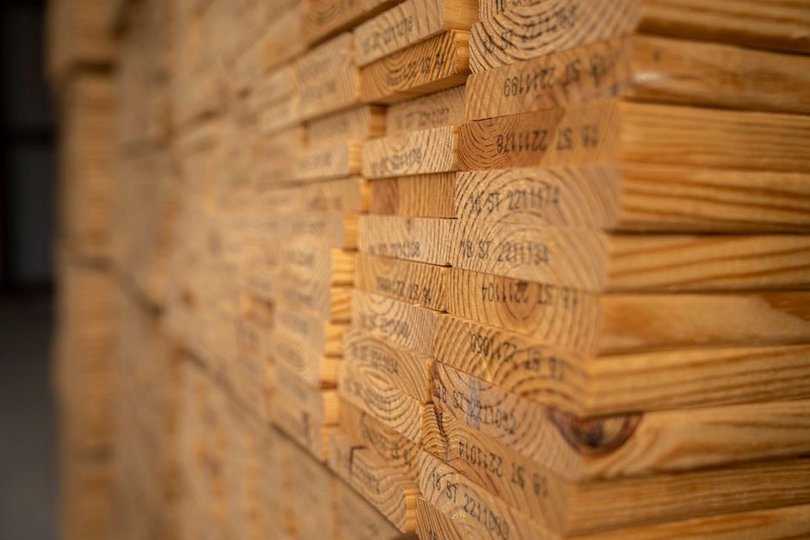
According to the court’s docket, Coastal Forest Products filed a summons and complaint last Friday through the trade law firm Sandler, Travis & Rosenberg, challenging a customs determination that its western red cedar, resawn and kiln‑dried in New Zealand, was attempting to evade antidumping and countervailing duties on Canadian softwood lumber. The filing follows a May statement by Zoltan van Heyningen, executive director of the US Lumber Coalition, who said that transshipment of lumber into the United States via a third country to evade duties is not tolerated. The coalition’s allegation, lodged in June 2025, was backed by ship manifests tracing lumber from Canada through New Zealand to the United States.
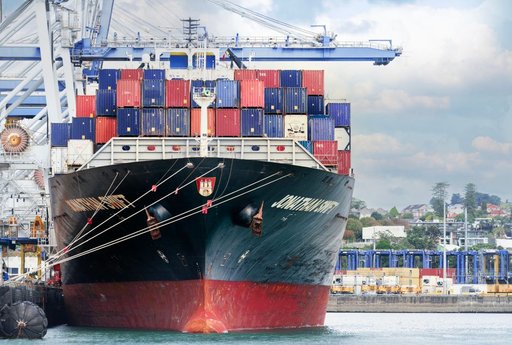
In its complaint, Coastal argues that the cedar was substantially transformed in New Zealand, which would make New Zealand the country of origin and remove the product from the Canadian duty orders. The company contends that the processing steps—resawing, kiln drying, planing, and moulding—constitute a substantial transformation. However, the Office of Regulations and Rulings upheld the agency’s May finding on review in September, marking the second time Coastal’s substantial‑transformation argument has failed at the agency level.
The May determination described the plant’s early steps, noting that most of the 11 operational steps carried out over four days in January do not physically alter the wood apart from drying. Officers deemed Coastal’s reliance on a scope exclusion for wood processed only by kiln drying, planing, or sanding “unavailing under EAPA,” the Enforce and Protect Act.
Herman Pacific, trading as Hermpac and listed by the Western Red Cedar Lumber Association as a remanufacturer offering band resawing, custom kiln drying, planing, and moulding from Silverdale in Auckland’s north, is identified as the New Zealand customer. Founded in 1974 with depots in Wellington and Christchurch, Hermpac described itself to customs as a “secondary manufacturer” performing downstream processing including resawing and optimization. The record shows that British Columbia’s Western Forest Products is the Canadian supplier whose western red cedar Hermpac brings into New Zealand.
Customs ruled against Coastal as the importer alone, and the record contains no evasion finding against either the Canadian producer or its New Zealand customer. Consequently, Coastal’s entries continue to be subject to the British Columbia producer’s rate under the orders, while most Canadian producers pay a combined deposit of 35.16 percent under Commerce’s sixth review. Liquidation has remained suspended on every covered entry since June 2024, and Coastal has continued posting cash deposits on new shipments of the cedar.
Under the Enforce and Protect Act, the US Court of International Trade will examine whether customs followed its own procedures and whether the finding was “arbitrary, capricious” or otherwise contrary to law. The United States has until the middle of November to file the administrative record compiled in the case, which includes the January verification and both companies’ responses to customs’ questions.