Vermont is replacing traditional power plants with a network of home batteries spread across thousands of residences, creating what has become the state’s largest power source.
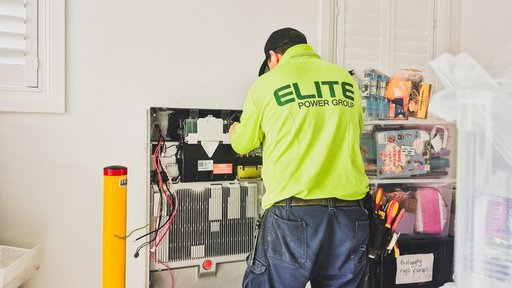
Green Mountain Power (GMP), Vermont’s largest utility, began the battery programme as a pilot in 2017 and has enrolled more than 5,500 customers. Under the programme, participants lease two batteries for $55 per month over a 10-year agreement. According to a virtual power plant expert at Boston-based consultancy The Brattle Group, GMP’s programme “may be one of the largest battery programmes in the US.”
These home batteries form what is known as a virtual power plant—an aggregation of thousands of consumer devices coordinated through software to manage and conserve energy. The system can incorporate home batteries, rooftop solar panels, EV batteries, smart thermostats, and commercial demand response systems. GMP’s virtual power plant now provides approximately 110MW of power, roughly equivalent to a small-to-average-sized natural gas plant, making it Vermont’s largest power source.
The programme gained significant traction after state regulators lifted a cap on it in 2023, triggering a surge in enrollments. More than 2,500 people have enrolled since 2023, with enrollment continuing to grow steadily. Around 50% of homes in the programme with batteries also have rooftop solar panels.
The batteries provide immediate practical benefits to residents. One participant, Pollyanna Bladyka, reported losing power a dozen times yearly before installing the system in 2024, but has not lost power once since. Another resident, Megan Browning, experienced a severe windstorm that knocked down a power line near her home and caused outages in her neighbourhood, but “didn’t even notice a flicker” thanks to her battery system.
GMP’s virtual power plant has effectively replaced the utility’s former reliance on oil, diesel, and natural gas peaker plants—plants built specifically to handle peak demand periods that occur only a handful of days per year. According to GMP CEO Mari McClure, the company has “been slowly able to decommission those as they’ve become end-of-life.”
The expansion reflects broader national trends. The US now has over 40GW of virtual power plant capacity, with a 2025 US Department of Energy report projecting 160GW of capacity could be unlocked by 2030—equal to approximately 20% of the country’s expected peak energy demand. GMP has set a goal of eliminating all power outages by 2030, with the battery programme playing a central role alongside other measures like undergrounding power lines. In some rural areas, GMP has proposed providing batteries at no cost to thousands of customers.
Key facts
- More than 5,500 Vermont residents have home battery systems through GMP’s programme at $55 per month
- GMP’s virtual power plant provides approximately 110MW of power, making it Vermont’s largest power source
- The US now has over 40GW of virtual power plant capacity, with 160GW projected by 2030
- About 50% of homes in the programme with batteries also have rooftop solar panels
- Seven of the 10 most damaging storms in GMP’s history have occurred in the last decade