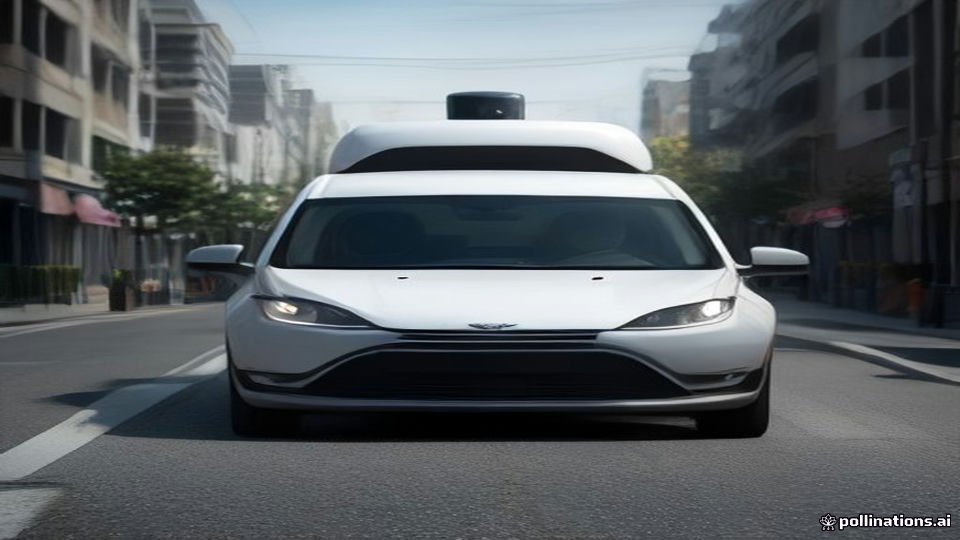
Waymo said it is laying the groundwork for a fully autonomous ride‑hailing service in Toronto, with the goal of welcoming the first riders in 2028. In the coming days, residents will see Waymo vehicles on the city’s streets being driven manually by trained specialists as the company starts high‑definition mapping of local road networks.
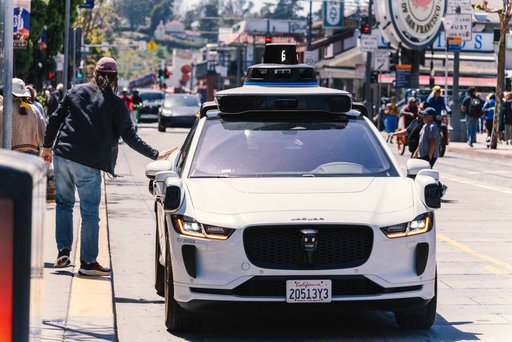
The approach is described as phased and safety‑first. Waymo will test its technology with autonomous specialists behind the wheel to validate that the Waymo Driver adapts to Toronto’s distinct driving conditions before moving to driver‑less operation.
Tekedra Mawakana, Waymo’s co‑CEO, called the move an important milestone in the company’s global journey, praising Toronto as an innovative, diverse, and forward‑looking city. She said Waymo is proud to partner with the local business, arts and cultural communities that share a commitment to safer streets and more accessible mobility.
To support the service, Waymo is partnering with Element Fleet Management, a Toronto‑headquartered global leader in intelligent fleet and mobility solutions. Element will provide end‑to‑end fleet management, and the two companies plan to create hundreds of jobs over time in areas such as fleet maintenance, validation driving, customer service and other operational functions. This partnership adds to Waymo’s existing Canadian ties, which include a long‑term investment relationship with the Canada Pension Plan Investment Board and a manufacturing relationship with Magna International.
Laura Dottori‑Attanasio, CEO of Element Fleet Management, said the collaboration will generate employment opportunities that draw on Element’s fleet expertise, operational capabilities and intelligent mobility solutions to support autonomous fleets reliably and at scale.
Waymo noted that Toronto is one of North America’s fastest‑growing metropolitan areas, with evolving mobility demands and a growing range of transportation options such as bike lanes and public transit. The company says its all‑weather Driver can add another complementary option to the city’s transportation ecosystem.
Safety data from more than 400 million fully autonomous kilometres driven shows the Waymo Driver was involved in 95 % fewer crashes involving serious injury or worse compared to human drivers in the cities where Waymo operates—a figure the company describes as 20 × fewer.
Waymo also said it is working with accessibility and advocacy groups including BALANCE for Blind Adults, CNIB, Community Living Toronto, Connected Canadians and Epilepsy Ontario to ensure the service is accessible to all residents.