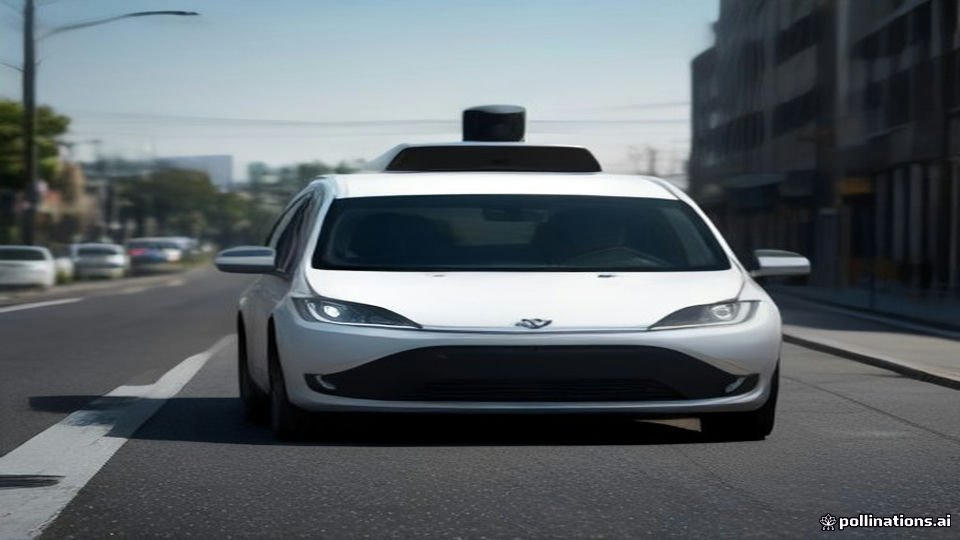
Waymo’s autonomous vehicles are becoming an increasingly visible presence on American roads, with the company now operating more than four thousand cars across fifteen U.S. cities. In San Francisco alone, the company recently surpassed Lyft in market share, with over thirteen hundred Waymos in operation in the region.
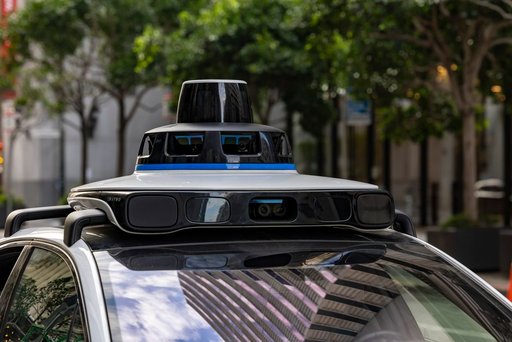
The vehicles carry distinctive features that reveal the hybrid nature of autonomous driving technology. Each car has a steering wheel that moves on its own as the vehicle navigates—a requirement under existing safety standards that assume cars have steering wheels, according to Waymo. The wheel also serves as a psychological reassurance to passengers. Megan Neese, Waymo’s Head of Insights, told a New Yorker reporter that riders reported the moving wheel “reassured them,” conveying that the car’s actions were “recognizable; they’re relatable; they’re continuing to happen.”
Waymo’s expansion reflects the company’s ambitions to establish autonomous vehicles as a mainstream transportation option. The company has set its sights on Washington D.C., New York, London, and Tokyo. Its latest national advertising campaign, titled “Because,” emphasizes safety as the core justification for autonomous driving, citing statistics that “car crashes injure over a million of us every year” and claiming Waymo’s vehicles are “ten times safer” than those with human drivers.
The company’s origins trace back to 2004, when the Pentagon hosted a driverless vehicle race through the desert. While no entrants finished that initial contest, Google later hired Sebastian Thrun, a Stanford professor whose team won a follow-up competition in 2005. Google launched Project Chauffeur in 2009 to retrofit Priuses with autonomous technology, and by 2015 had sent its first solo passenger on an autonomous trip through Austin. The project was renamed Waymo in 2016.
As autonomous vehicles become more common, they prompt broader questions about technological change. Bryant Walker Smith, a law professor at the University of South Carolina who studies autonomous driving, noted that while other AI systems may affect employment, “they’re never going to see that. They’re going to see the car going down the street without anybody in it.” The visible nature of autonomous vehicles makes them a focal point for public reactions to technological transformation.
Key facts
- Waymo operates over 4,000 autonomous vehicles across 15 U.S. cities
- The company recently surpassed Lyft in San Francisco market share with 1,300+ vehicles in the region
- Waymo’s cars feature moving steering wheels that serve both legal requirements and psychological reassurance functions
- The company claims its vehicles are ten times safer than human-driven cars
- Waymo is expanding to Washington D.C., New York, London, and Tokyo